


- Afhalen na 1 uur in een winkel met voorraad
- Gratis thuislevering in België vanaf € 30
- Ruim aanbod met 7 miljoen producten
- Afhalen na 1 uur in een winkel met voorraad
- Gratis thuislevering in België vanaf € 30
- Ruim aanbod met 7 miljoen producten





€ 61,45
+ 122 punten
Omschrijving
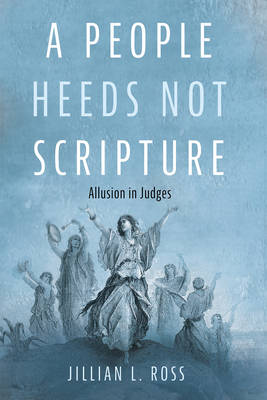
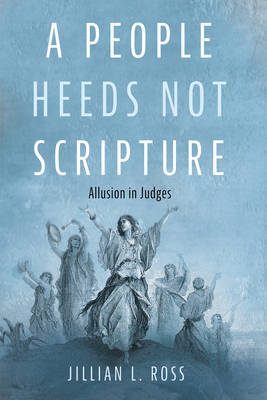
"Everyone did what was right in their own eyes." This well-known indictment rumbles across the epilogue of Judges, denouncing God's people as wayward. Yet understanding the source of Israel's degenerative and downward spiral comes from an oft-overlooked declaration: Yahweh is testing Israel's fidelity to the commandments he gave "by the hand of Moses." By employing covert allusions rather than explicit quotations Judges contrasts the obvious sins of Israel with veiled reminders of the law that they have abandoned. In this volume, Jillian Ross employs current insights from literary theory, establishing a robust methodology for identifying allusions in the text. Once applied, the allusions to the Law, especially as presented in Deuteronomy, display three clear peaks: the prologue, Gideon narrative, and epilogue. The results suggest that Judges teaches a Deuteronomistic concept that the Israelites failed to obey the Torah, particularly its call for covenant fidelity in worship and warfare, as given to them "by the hand of Moses."
Specificaties
Betrokkenen
- Auteur(s):
- Uitgeverij:
Inhoud
- Aantal bladzijden:
- 340
- Taal:
- Engels
Eigenschappen
- Productcode (EAN):
- 9781666795943
- Verschijningsdatum:
- 27/03/2023
- Uitvoering:
- Paperback
- Formaat:
- Trade paperback (VS)
- Afmetingen:
- 152 mm x 229 mm
- Gewicht:
- 480 g


Alleen bij Standaard Boekhandel
+ 122 punten op je klantenkaart van Standaard Boekhandel

Beoordelingen
We publiceren alleen reviews die voldoen aan de voorwaarden voor reviews. Bekijk onze voorwaarden voor reviews.