



Je cadeautjes zeker op tijd in huis hebben voor de feestdagen? Kom langs in onze winkels en vind het perfecte geschenk!
- Afhalen na 1 uur in een winkel met voorraad
- Gratis thuislevering in België vanaf € 30
- Ruim aanbod met 7 miljoen producten
Je cadeautjes zeker op tijd in huis hebben voor de feestdagen? Kom langs in onze winkels en vind het perfecte geschenk!
- Afhalen na 1 uur in een winkel met voorraad
- Gratis thuislevering in België vanaf € 30
- Ruim aanbod met 7 miljoen producten





€ 67,95
+ 135 punten
Omschrijving
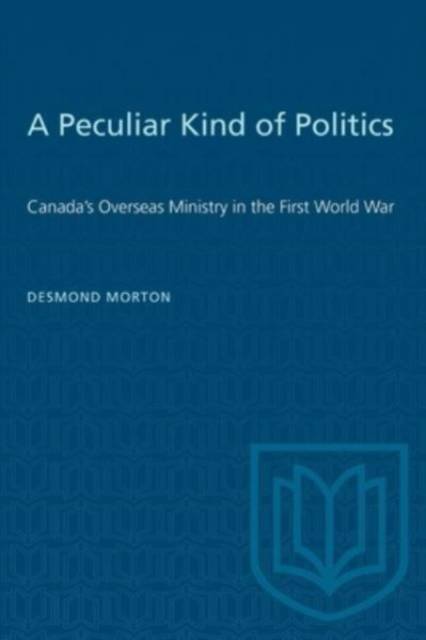
The First Contingent left Canada in September 1914, destined to become an integral part of the British Army. When the Canadian Corps returned in 1919, it was part of a Canadian Army, commanded by Canadians and controlled by Ottawa. That transformation reflected the real emergence of Canada from colonial status to the role of a junior but sovereign ally. In this book, Desmond Morton shows that the change was not easy and that most of the difficulties were created by Canadians themselves.
He reveals that the mossiest agent of change was Canada's Minister of Militia, Sir Sam Hughes. Determined to exercise personal control over every aspect of the CEF, Hughes deliberately fostered confusion, conflict, and political intrigue in the Canadian administration in England.
To overcome Hughes's failure, a full government department - the Ministry of the Overseas Military Forces of Canada - was established in London under the direction of Sir George Perley. Staffed by Canadians like Sir Richard Turner, who had earned his reputation in France, the department achieved a marked improvement in every facet of Canadian military administration in England. It formed the basis for increasingly effective control of Canadian Forces in France and also played a part in winning overwhelming support for the Union government from soldiers voting in the 1917 election.
The Overseas Ministry proceed to strengthen civilian and political control without resorting to the political patronage of the Hughes era, established direct Canadian liaison with the British General Headquarters in the field, and, after 11 November, coped with the enormous and unprecedented problems of demobilization.
A Peculiar Kind of Politics presents the inside story of how Canadians earned their autonomy in war through the increasing competence they displayed, not merely in action, but in their own administrative management.
He reveals that the mossiest agent of change was Canada's Minister of Militia, Sir Sam Hughes. Determined to exercise personal control over every aspect of the CEF, Hughes deliberately fostered confusion, conflict, and political intrigue in the Canadian administration in England.
To overcome Hughes's failure, a full government department - the Ministry of the Overseas Military Forces of Canada - was established in London under the direction of Sir George Perley. Staffed by Canadians like Sir Richard Turner, who had earned his reputation in France, the department achieved a marked improvement in every facet of Canadian military administration in England. It formed the basis for increasingly effective control of Canadian Forces in France and also played a part in winning overwhelming support for the Union government from soldiers voting in the 1917 election.
The Overseas Ministry proceed to strengthen civilian and political control without resorting to the political patronage of the Hughes era, established direct Canadian liaison with the British General Headquarters in the field, and, after 11 November, coped with the enormous and unprecedented problems of demobilization.
A Peculiar Kind of Politics presents the inside story of how Canadians earned their autonomy in war through the increasing competence they displayed, not merely in action, but in their own administrative management.
Specificaties
Betrokkenen
- Auteur(s):
- Uitgeverij:
Inhoud
- Aantal bladzijden:
- 288
- Taal:
- Engels
- Reeks:
Eigenschappen
- Productcode (EAN):
- 9781487578923
- Verschijningsdatum:
- 15/12/1982
- Uitvoering:
- Paperback
- Formaat:
- Trade paperback (VS)
- Afmetingen:
- 156 mm x 234 mm
- Gewicht:
- 408 g


Alleen bij Standaard Boekhandel
+ 135 punten op je klantenkaart van Standaard Boekhandel
CADEAU


Beoordelingen
We publiceren alleen reviews die voldoen aan de voorwaarden voor reviews. Bekijk onze voorwaarden voor reviews.