


- Afhalen na 1 uur in een winkel met voorraad
- Gratis thuislevering in België vanaf € 30
- Ruim aanbod met 7 miljoen producten
- Afhalen na 1 uur in een winkel met voorraad
- Gratis thuislevering in België vanaf € 30
- Ruim aanbod met 7 miljoen producten





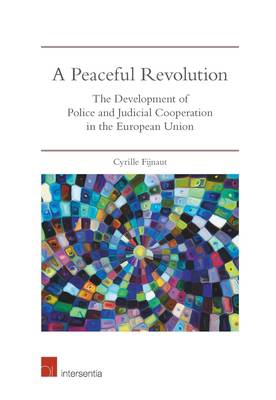
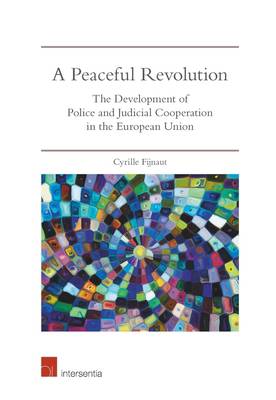
A Peaceful Revolution
The Development of Police and Judicial Cooperation in the European Union
Cyrille Fijnaut
Paperback | Engels
€ 120,00
+ 240 punten
Omschrijving
The debate surrounding police and judicial cooperation in the European Union can be criticised for focussing too much on certain forms of cooperation or on specific problems. As a result, a thorough overview of what has been achieved in this area since the Maastricht Treatys entry into force in November 1993 is lacking. In contrast to the disjointed and mostly secret cooperation between police and judicial services in Europe prior to 1993, the current regime has established a coherent and transparent system within the EU that can only be described as revolutionary.This book discusses that peaceful revolution in light of the action programmes (the Brussels Programme, the Tampere Programme, the Hague Programme and the Stockholm Programme) which were drafted in concurrence with all major changes to the constitutional relations within the European Union: the Maastricht Treaty, the Amsterdam Treaty, the Nice Treaty, the Rome Treaty and the Lisbon Treaty. This programmatic approach makes it possible to present in a clear manner the imposing array of police and judicial agencies, facilities and networks (Europol, Schengen Information System, Eurojust, European Arrest Warrant, etc.) created through democratic processes with the aim of ensuring the security of the citizens of the European Union. In particular, the problems concerning the control of internal and external borders and with respect to the containment of terrorism demonstrate that this system urgently needs to be reinforced.It is ironic that the Brexit negotiations demonstrate the importance of the current system of police and judicial cooperation in the European Union: the United Kingdom would like to keep the great benefits of a number of its crucial components.
Specificaties
Betrokkenen
- Auteur(s):
- Uitgeverij:
Inhoud
- Aantal bladzijden:
- 824
- Taal:
- Engels
Eigenschappen
- Productcode (EAN):
- 9781780686974
- Verschijningsdatum:
- 12/09/2019
- Uitvoering:
- Paperback
- Formaat:
- Trade paperback (VS)
- Afmetingen:
- 170 mm x 244 mm
- Gewicht:
- 1324 g


Alleen bij Standaard Boekhandel
+ 240 punten op je klantenkaart van Standaard Boekhandel
Cadeau

AANGERADEN


Beoordelingen
We publiceren alleen reviews die voldoen aan de voorwaarden voor reviews. Bekijk onze voorwaarden voor reviews.