


- Afhalen na 1 uur in een winkel met voorraad
- Gratis thuislevering in België vanaf € 30
- Ruim aanbod met 7 miljoen producten
- Afhalen na 1 uur in een winkel met voorraad
- Gratis thuislevering in België vanaf € 30
- Ruim aanbod met 7 miljoen producten





€ 8,50
+ 8 punten
Eenvoudig bestellen
Veilig betalen


Onmiddellijk geleverd via e-mail
Omschrijving
Shortlisted for the 2012 Pat Lowther Memorial Award
An ambivalent zoo-tour, an open-eyed meander through a landscape of made and contained things.
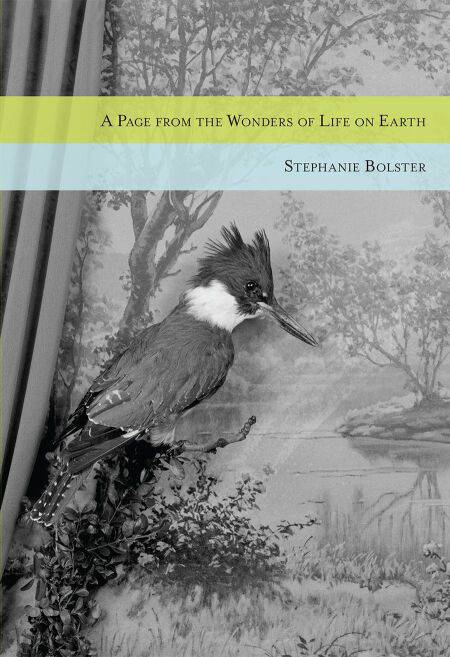
A Page from The Wonders of Life on Earth is a book with a coherent vision of nature -- constructed or framed, both in the present and in the recent past -- through zoos, aviaries, formal gardens, menageries, and books like the Time-Life one named in the title. Informed by the author’s grand tour of these zoos and gardens, these poems provide a strong lens for considering the many paradoxes of inter-species relations; they open up the possibility of honest, unsentimental elegy. The book is also a model of what might be called investigative poetry, taking the poet’s combination of perceptual acuity, craft, music and sensibility into these richly troubled places (prisons of, monuments to, museums for the lost natural world) where "arcades sell postcards of old photographs of the arcades," and where questions of what it means to be human, to be animal, to be other and to be art are tangibly in the air. This is Bolster's best work.
An ambivalent zoo-tour, an open-eyed meander through a landscape of made and contained things.
A Page from The Wonders of Life on Earth is a book with a coherent vision of nature -- constructed or framed, both in the present and in the recent past -- through zoos, aviaries, formal gardens, menageries, and books like the Time-Life one named in the title. Informed by the author’s grand tour of these zoos and gardens, these poems provide a strong lens for considering the many paradoxes of inter-species relations; they open up the possibility of honest, unsentimental elegy. The book is also a model of what might be called investigative poetry, taking the poet’s combination of perceptual acuity, craft, music and sensibility into these richly troubled places (prisons of, monuments to, museums for the lost natural world) where "arcades sell postcards of old photographs of the arcades," and where questions of what it means to be human, to be animal, to be other and to be art are tangibly in the air. This is Bolster's best work.
Specificaties
Betrokkenen
- Auteur(s):
- Uitgeverij:
Inhoud
- Aantal bladzijden:
- 82
- Taal:
- Engels
Eigenschappen
- Productcode (EAN):
- 9781771310819
- Verschijningsdatum:
- 15/09/2011
- Uitvoering:
- E-book
- Beveiligd met:
- Digital watermarking
- Formaat:
- ePub


Alleen bij Standaard Boekhandel
+ 8 punten op je klantenkaart van Standaard Boekhandel
CADEAU

AANGERADEN


Beoordelingen
We publiceren alleen reviews die voldoen aan de voorwaarden voor reviews. Bekijk onze voorwaarden voor reviews.