



Bedankt voor het vertrouwen het afgelopen jaar! Om jou te bedanken bieden we GRATIS verzending (in België) aan op alles gedurende de hele maand januari.
- Afhalen na 1 uur in een winkel met voorraad
- In januari gratis thuislevering in België
- Ruim aanbod met 7 miljoen producten
Bedankt voor het vertrouwen het afgelopen jaar! Om jou te bedanken bieden we GRATIS verzending (in België) aan op alles gedurende de hele maand januari.
- Afhalen na 1 uur in een winkel met voorraad
- In januari gratis thuislevering in België
- Ruim aanbod met 7 miljoen producten





€ 228,95
+ 457 punten
Uitvoering
Omschrijving
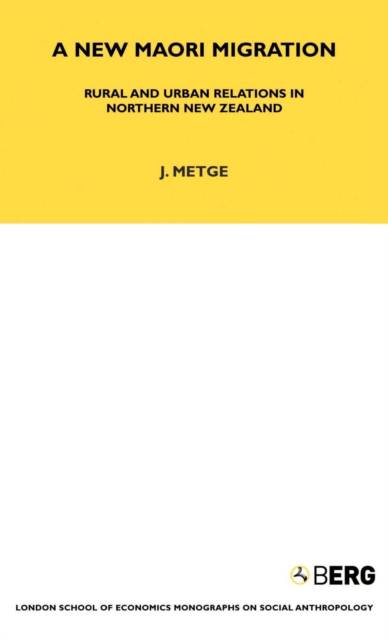
Until 1939 the Maori people remained an almost wholly rural community, but during and after the second world war increasing numbers of them migrated in search of work to the cities, and urban groups of Maori were established. This development has significantly affected relationships, both between Maori and Europeans, and within the Maori people as a whole. The importance of Dr Metge's book lies in its presentation of a carefully documentd comparative study of two Maori communities, one in a traditional rural area and the other in Aukland, New Zealand's largest industrial centre. Housing and domestic organization, marriage patterns, kinship structure, voluntary associations and leadership in both types of community are discussed. The author's survey and conclusions make a valuable practical contribution to Maori social studies, and also have a bearing on the world-wide problem of the urbanisation of cultural minorities.
Specificaties
Betrokkenen
- Auteur(s):
- Uitgeverij:
Inhoud
- Aantal bladzijden:
- 324
- Taal:
- Engels
- Reeks:
- Reeksnummer:
- nr. 85
Eigenschappen
- Productcode (EAN):
- 9781859738993
- Verschijningsdatum:
- 1/01/1964
- Uitvoering:
- Hardcover
- Formaat:
- Genaaid
- Afmetingen:
- 140 mm x 216 mm
- Gewicht:
- 562 g



Alleen bij Standaard Boekhandel
+ 457 punten op je klantenkaart van Standaard Boekhandel
SOLDEN


Beoordelingen
We publiceren alleen reviews die voldoen aan de voorwaarden voor reviews. Bekijk onze voorwaarden voor reviews.