


- Afhalen na 1 uur in een winkel met voorraad
- Gratis thuislevering in België vanaf € 30
- Ruim aanbod met 7 miljoen producten
- Afhalen na 1 uur in een winkel met voorraad
- Gratis thuislevering in België vanaf € 30
- Ruim aanbod met 7 miljoen producten





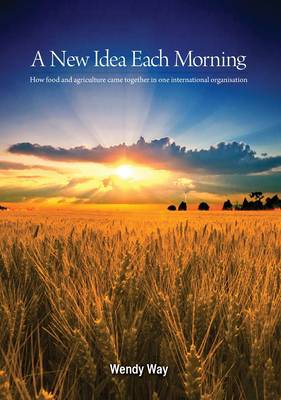
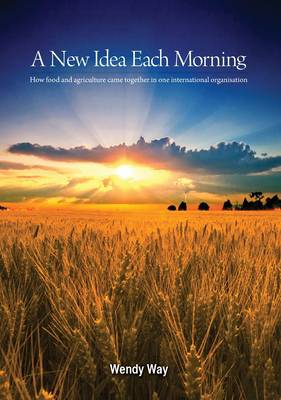
A New Idea Each Morning
How food and agriculture came together in one international organisation
Wendy Way
Paperback | Engels
€ 45,95
+ 91 punten
Omschrijving
In the years between the two world wars of the twentieth century leaders in Western countries worried about a food surplus. The hardships of the Great Depression were intensified by a glut of wheat and consequent low prices on the world market. Yet at the same time nutrition scientists protested that significant proportions of populations, even in affluent countries, were unable to afford a diet 'adequate for health'. Fresh fruits, vegetables, dairy products and meat were out of reach for the poor. This book traces the work of three men who sought to bring together the interests of farmers and the needs of the hungry: scientist and passionate campaigner for better nutrition, John Boyd Orr; Australian politician and international statesman, Stanley Melbourne Bruce; and Economic Adviser to Bruce at the Australian High Commission in London, Frank Lidgett McDougall. Bruce once said 'McDougall brings me a new idea every morning'. One of those ideas became the genesis of their work, which helped bring about the formation of the Food and Agriculture Organization of the United Nations in 1945. All three undertook significant roles in the formative years of the organisation. The story of this contribution to the international world order is little known. The cooperation, diplomacy and persistence of these men provides inspiration for tackling the alarming prospect of food shortages in the present century.


Alleen bij Standaard Boekhandel
+ 91 punten op je klantenkaart van Standaard Boekhandel
AANGERADEN


Beoordelingen
We publiceren alleen reviews die voldoen aan de voorwaarden voor reviews. Bekijk onze voorwaarden voor reviews.