


- Afhalen na 1 uur in een winkel met voorraad
- Gratis thuislevering in België vanaf € 30
- Ruim aanbod met 7 miljoen producten
- Afhalen na 1 uur in een winkel met voorraad
- Gratis thuislevering in België vanaf € 30
- Ruim aanbod met 7 miljoen producten





€ 343,45
+ 686 punten
Uitvoering
Eenvoudig bestellen
Veilig betalen


Gratis thuislevering vanaf € 30 (via bpost)
Gratis levering in je Standaard Boekhandel
Omschrijving
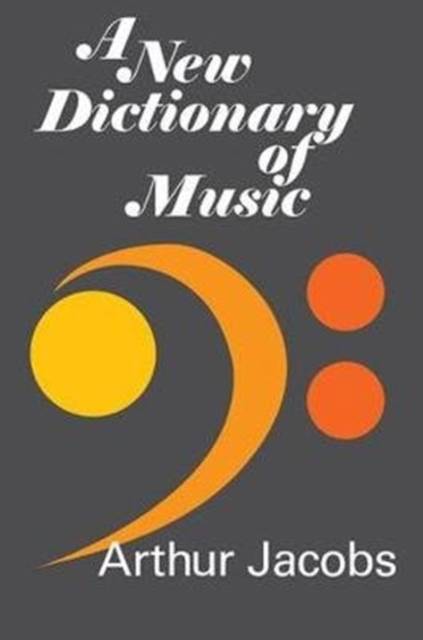
What is a fugue? What is the difference between a saxophone and a saxhorn? Who besides Puccini wrote an opera called "La Boheme"? In what year, was the National Broadcasting Company Orchestra formed under Arturo Toscanini's direction? These and thousands of similar questions are answered in this comprehensive dictionary that remains unrivaled as a single-volume summary. "A New Dictionary of Music" is a basic reference work for anyone interested in music, whether performer or layman.It covers orchestral, solo, choral and chamber music, opera, and (in its musical aspects) the ballet. There are entries for composers (with biographies and details of compositions); works well known by their titles, such as operas and symphonic poems; orchestras, performers and conductors of importance today; musical instruments (including those of the dance and brass bands); and, technical terms. English names and terms are used whenever possible, but foreign terms in general use are cross-referenced. Particular importance has been attached to bringing the reader abreast of new musical developments.The composers and musical works chosen were those most likely to be encountered. Where an opera is given an entry, a brief explanation of the title follows. Similarly explication is provided for other works bearing literary or otherwise allusive titles. Among performers and conductors, only the following are included: those who, although dead, continue to be prominent through recorded performances (e.g. Gigli); the highest-ranking international artists of today, plus a very few apparently on the verge of attaining that rank; and, a few who, though not necessarily at the very head of their profession, are closely associated with composers in bringing out new works, or are conductors in charge of important orchestras.
Specificaties
Betrokkenen
- Auteur(s):
- Uitgeverij:
Inhoud
- Aantal bladzijden:
- 420
- Taal:
- Engels
Eigenschappen
- Productcode (EAN):
- 9781138518421
- Verschijningsdatum:
- 20/09/2017
- Uitvoering:
- Hardcover
- Formaat:
- Genaaid
- Afmetingen:
- 152 mm x 229 mm
- Gewicht:
- 725 g


Alleen bij Standaard Boekhandel
+ 686 punten op je klantenkaart van Standaard Boekhandel
CADEAU

AANGERADEN


Beoordelingen
We publiceren alleen reviews die voldoen aan de voorwaarden voor reviews. Bekijk onze voorwaarden voor reviews.