


- Afhalen na 1 uur in een winkel met voorraad
- Gratis thuislevering in België vanaf € 30
- Ruim aanbod met 7 miljoen producten
- Afhalen na 1 uur in een winkel met voorraad
- Gratis thuislevering in België vanaf € 30
- Ruim aanbod met 7 miljoen producten





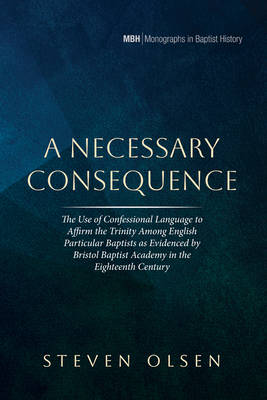
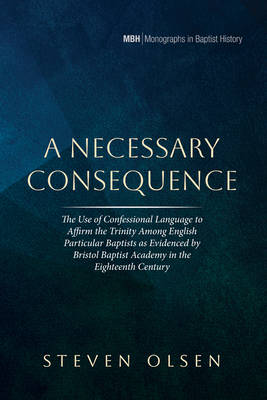
A Necessary Consequence
The Use of Confessional Language to Affirm the Trinity Among English Particular Baptists as Evidenced by Bristol Baptist Academy in the Eighteenth Century
Steven Olsen
€ 59,95
+ 119 punten
Uitvoering
Omschrijving
Is agreement on the language of Scripture sufficient to determine agreement on doctrines? Or is it possible for individuals with differing doctrines to agree on the language of Scripture? If so, how can we ascertain what another truly believes? A Necessary Consequence is a historical study and evaluation of the necessity of using confessional language to clarify one's beliefs based on Scripture. English Baptists in the seventeenth century witnessed the rise of antitrinitarianism. In response, General Baptists used only scriptural language to discuss the Trinity, thereby weakening their doctrine as antitrinitarian views were tolerated. However, Particular Baptists entered the eighteenth century stronger having clearly stated their belief with confessional trinitarian language. The Salters' Hall Debates in 1719 highlighted the divide in these two approaches. In 1720, Broadmead Church inaugurated Bristol Baptist Academy with the conviction of imparting sound confessional doctrine to its alumni.
Specificaties
Betrokkenen
- Auteur(s):
- Uitgeverij:
Inhoud
- Aantal bladzijden:
- 208
- Taal:
- Engels
- Reeks:
- Reeksnummer:
- nr. 33
Eigenschappen
- Productcode (EAN):
- 9798385241583
- Verschijningsdatum:
- 25/06/2025
- Uitvoering:
- Hardcover
- Formaat:
- Genaaid
- Afmetingen:
- 152 mm x 229 mm
- Gewicht:
- 449 g


Alleen bij Standaard Boekhandel
+ 119 punten op je klantenkaart van Standaard Boekhandel
Cadeau

AANGERADEN


Beoordelingen
We publiceren alleen reviews die voldoen aan de voorwaarden voor reviews. Bekijk onze voorwaarden voor reviews.