


- Afhalen na 1 uur in een winkel met voorraad
- Gratis thuislevering in België vanaf € 30
- Ruim aanbod met 7 miljoen producten
- Afhalen na 1 uur in een winkel met voorraad
- Gratis thuislevering in België vanaf € 30
- Ruim aanbod met 7 miljoen producten





€ 152,95
+ 305 punten
Eenvoudig bestellen
Veilig betalen


Gratis thuislevering vanaf € 30 (via bpost)
Gratis levering in je Standaard Boekhandel
Omschrijving
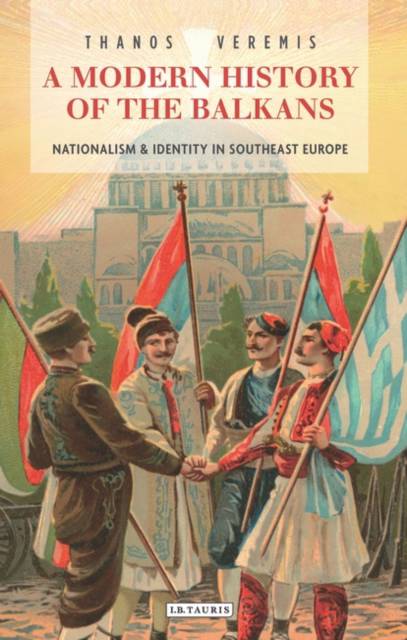
The history of the Balkans has been a distillation of the great and terrible themes of 20th century history-the rise of nationalism, communism, fascism, genocide, identity and war. Written by one of the leading historians of the region, this is a new interpretation of that history, focusing on the uses and legacies of nationalism in the Balkan region. In particular, Professor Veremis analyses the influence of the West-from the fall of the Ottoman Empire and the rise and collapse of Yugoslavia. Throughout the state-building process of Greece, Serbia, Rumania, Bulgaria and later, Albania, the West provided legal, administrative and political prototypes to areas bedevilled by competing irredentist claims. At a time when Slovenia, Rumania, Bulgaria and Croatia have become full members of the EU, yet some orphans of the Communist past are facing domestic difficulties, A Modern History of the Balkans seeks to provide an important historical context to the current problems of nationalism and identity in the Balkans.
Specificaties
Betrokkenen
- Auteur(s):
- Uitgeverij:
Inhoud
- Aantal bladzijden:
- 240
- Taal:
- Engels
- Reeks:
Eigenschappen
- Productcode (EAN):
- 9781780768465
- Verschijningsdatum:
- 30/08/2017
- Uitvoering:
- Hardcover
- Formaat:
- Genaaid
- Afmetingen:
- 137 mm x 218 mm
- Gewicht:
- 430 g



Alleen bij Standaard Boekhandel
+ 305 punten op je klantenkaart van Standaard Boekhandel
CADEAU

AANGERADEN


Beoordelingen
We publiceren alleen reviews die voldoen aan de voorwaarden voor reviews. Bekijk onze voorwaarden voor reviews.