


- Afhalen na 1 uur in een winkel met voorraad
- Gratis thuislevering in België vanaf € 30
- Ruim aanbod met 7 miljoen producten
- Afhalen na 1 uur in een winkel met voorraad
- Gratis thuislevering in België vanaf € 30
- Ruim aanbod met 7 miljoen producten





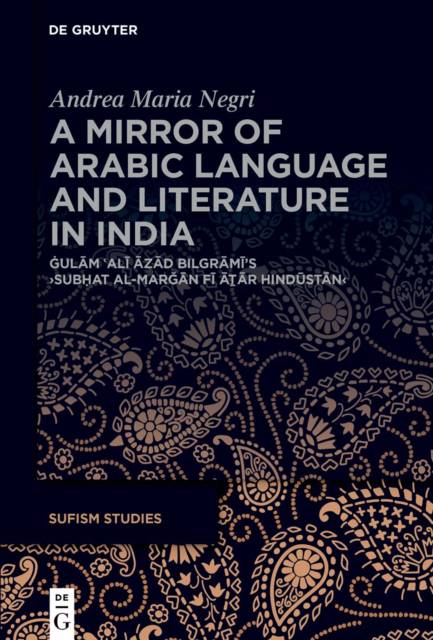
A Mirror of Arabic Language and Literature in India
Ġulām ʿalī Āzād Bilgrāmī's >Subḥat Al-Marǧān Fī āṯār Hindūstān
Andrea Maria Negri
€ 102,45
+ 204 punten
Omschrijving
In the eighteenth century, numerous Sufi communities across the Indian subcontinent demonstrated a notable interest in producing Arabic literature. Apparently primarily intended for an audience in the subcontinent, this corpus remains an understudied field of Arabic literary history. Against this backdrop, this book identifies the defining characteristics of this literature and assesses its significance for the Sufi centers of the Indian subcontinent, particularly at the historical juncture marking the decline of the Mughal Empire.
To this end, the analysis focuses on one of the most prominent Arabic-language works of the period, Subḥat al-marǧān fī āṯār hindūstān (The Coral Rosary on the Vestiges of India), Āzād Bilgrāmī (1704-1786). Its importance lies in giving voice to an array of Sufi authors, whose narratives and poetry illuminate the motivations behind the use of Arabic and the purposes it served in that context. By exploring the linguistic strategies embodied in this Sufi-produced text, this study examines its positioning within both the cultural and linguistic milieu of the subcontinent, as well as its relationship to a broader Arab cosmopolitan sphere whose centers lay in the then-expansive Ottoman Empire.
Specificaties
Betrokkenen
- Auteur(s):
- Uitgeverij:
Inhoud
- Aantal bladzijden:
- 210
- Taal:
- Engels
- Reeks:
- Reeksnummer:
- nr. 6
Eigenschappen
- Productcode (EAN):
- 9783119146524
- Verschijningsdatum:
- 14/03/2026
- Uitvoering:
- Hardcover
- Formaat:
- Genaaid
- Afmetingen:
- 156 mm x 234 mm
- Gewicht:
- 498 g



Alleen bij Standaard Boekhandel
+ 204 punten op je klantenkaart van Standaard Boekhandel
Cadeau

AANGERADEN


Beoordelingen
We publiceren alleen reviews die voldoen aan de voorwaarden voor reviews. Bekijk onze voorwaarden voor reviews.