


- Afhalen na 1 uur in een winkel met voorraad
- Gratis thuislevering in België vanaf € 30
- Ruim aanbod met 7 miljoen producten
- Afhalen na 1 uur in een winkel met voorraad
- Gratis thuislevering in België vanaf € 30
- Ruim aanbod met 7 miljoen producten





€ 2,99
+ 2 punten
Omschrijving
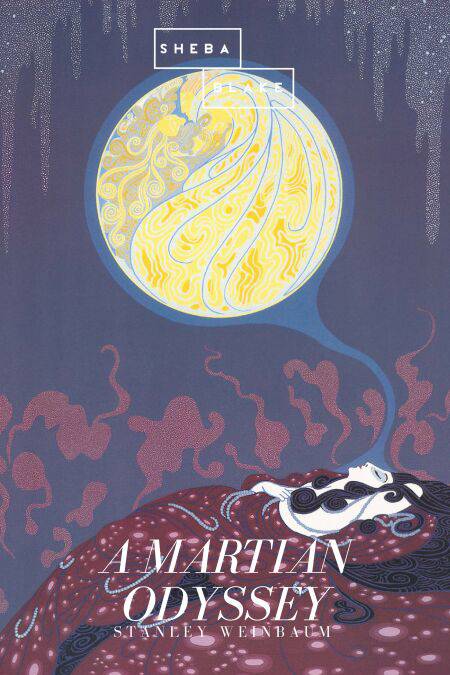
A Martian Odyssey is a science fiction short story by Stanley G. Weinbaum originally published in the July 1934 issue of Wonder Stories. It was Weinbaum's second published story (in 1933 he had sold a romantic novel, The Lady Dances, to King Features Syndicate under the pseudonym Marge Stanley[1]), and remains his best known. It was followed four months later by a sequel, "Valley of Dreams". These are the only stories by Weinbaum set on Mars. The story immediately established Weinbaum as a leading figure in the field. Isaac Asimov states that Weinbaum's "easy style and his realistic description of extraterrestrial scenes and life-forms were better than anything yet seen, and the science fiction reading public went mad over him." The story "had the effect on the field of an exploding grenade. With this single story, Weinbaum was instantly recognized as the world's best living science fiction writer, and at once almost every writer in the field tried to imitate him." Before, aliens had been nothing more than plot devices to help or hinder the hero. Weinbaum's creations, like the pyramid-builder and the cart creatures, have their own reasons for existing. Also, their logic is not human logic, and humans cannot always puzzle out their motivations. Tweel itself was one of the first characters (arguably the first) who satisfied John W. Campbell's famous challenge: "Write me a creature who thinks as well as a man, or better than a man, but not like a man."
Specificaties
Betrokkenen
- Auteur(s):
- Uitgeverij:
Inhoud
- Aantal bladzijden:
- 23
- Taal:
- Engels
Eigenschappen
- Productcode (EAN):
- 9783961890286
- Verschijningsdatum:
- 12/04/2017
- Uitvoering:
- E-book
- Formaat:
- ePub


Alleen bij Standaard Boekhandel
+ 2 punten op je klantenkaart van Standaard Boekhandel
Cadeau

AANGERADEN


Beoordelingen
We publiceren alleen reviews die voldoen aan de voorwaarden voor reviews. Bekijk onze voorwaarden voor reviews.