


- Afhalen na 1 uur in een winkel met voorraad
- Gratis thuislevering in België vanaf € 30
- Ruim aanbod met 7 miljoen producten
- Afhalen na 1 uur in een winkel met voorraad
- Gratis thuislevering in België vanaf € 30
- Ruim aanbod met 7 miljoen producten





€ 68,95
+ 137 punten
Omschrijving
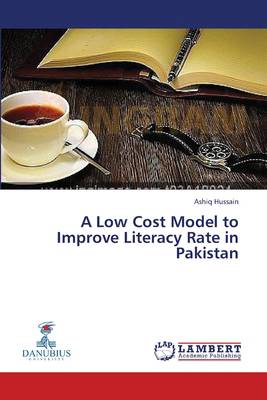
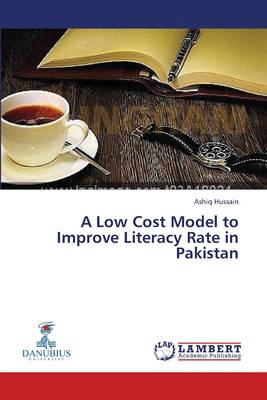
Government of Pakistan has launched various illiteracy reduction plans from time to time to promote literacy rate in the country but these plans could not achieve the targets. This study was designed to appraise these illiteracy reduction plans and to design a low cost model to improve literacy rate in Pakistan. The main objectives of the study were: to appraise the illiteracy reduction plans introduced in Pakistan. The population of the study was comprised of Educationists working in the Education department. Snowball sampling technique was used. A mixed-method research design was used i.e. data was quantitative and qualitative. Main findings of the study showed that need assessment was not carried out before launching illiteracy reduction programs, objectives of the illiteracy reduction programmes were not relevant to the literacy needs of the participants, local community was not involved in the running the literacy centers, religious leaders, intellectuals and retired personnel were not invited to support the illiteracy eradication programmes, In the light of the findings of the study, a low cost model was designed to improve the literacy rate in Pakistan.
Specificaties
Betrokkenen
- Auteur(s):
- Uitgeverij:
Inhoud
- Aantal bladzijden:
- 248
- Taal:
- Engels
Eigenschappen
- Productcode (EAN):
- 9783659348051
- Verschijningsdatum:
- 18/02/2014
- Uitvoering:
- Paperback
- Afmetingen:
- 150 mm x 220 mm
- Gewicht:
- 367 g


Alleen bij Standaard Boekhandel
+ 137 punten op je klantenkaart van Standaard Boekhandel
Cadeau

AANGERADEN


Beoordelingen
We publiceren alleen reviews die voldoen aan de voorwaarden voor reviews. Bekijk onze voorwaarden voor reviews.