


- Afhalen na 1 uur in een winkel met voorraad
- Gratis thuislevering in België vanaf € 30
- Ruim aanbod met 7 miljoen producten
- Afhalen na 1 uur in een winkel met voorraad
- Gratis thuislevering in België vanaf € 30
- Ruim aanbod met 7 miljoen producten





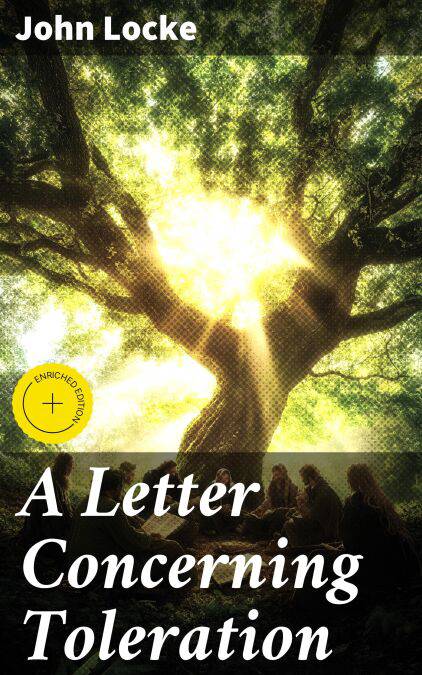
A Letter Concerning Toleration E-BOOK
Enriched edition. Advocating for Religious Freedom and Civil Rights in the Enlightenment Era
John Locke
E-book | Engels
€ 0,99
€ 1,99
Uitvoering
Omschrijving
In "A Letter Concerning Toleration," John Locke artfully argues for religious tolerance as an essential foundation for civil society. Written in 1689 during a period of intense religious conflict in Europe, Locke's treatise is both a philosophical exploration and a political manifesto advocating the separation of church and state. Employing a rational and empirical style, Locke challenges the prevailing dogmas of his time, emphasizing the necessity of individual conscience and the detrimental effects of religious persecution on societal harmony. His work serves as a cornerstone in Enlightenment thought, influencing contemporary views on human rights and liberty. John Locke, an influential English philosopher and physician, is often regarded as one of the founders of modern liberalism. His experiences during the tumultuous political climate of 17th-century England, particularly the civil wars and the Glorious Revolution, undoubtedly shaped his views on governance and individual rights. His background in natural philosophy and political science informed his advocacy for tolerance, as he sought practical solutions to the conflicts that divided society, promoting reason over dogma. I highly recommend "A Letter Concerning Toleration" to anyone interested in the intersections of philosophy, religion, and political thought. Locke's timeless arguments not only resonate in historical contexts but are remarkably pertinent in today's discussions on faith, freedom, and coexistence. This work is essential for anyone seeking to understand the principles of democracy and the importance of tolerance in a pluralistic society.
In this enriched edition, we have carefully created added value for your reading experience:
- A succinct Introduction situates the work's timeless appeal and themes.
- The Synopsis outlines the central plot, highlighting key developments without spoiling critical twists.
- A detailed Historical Context immerses you in the era's events and influences that shaped the writing.
- An Author Biography reveals milestones in the author's life, illuminating the personal insights behind the text.
- A thorough Analysis dissects symbols, motifs, and character arcs to unearth underlying meanings.
- Reflection questions prompt you to engage personally with the work's messages, connecting them to modern life.
- Hand‐picked Memorable Quotes shine a spotlight on moments of literary brilliance.
- Interactive footnotes clarify unusual references, historical allusions, and archaic phrases for an effortless, more informed read.
In this enriched edition, we have carefully created added value for your reading experience:
- A succinct Introduction situates the work's timeless appeal and themes.
- The Synopsis outlines the central plot, highlighting key developments without spoiling critical twists.
- A detailed Historical Context immerses you in the era's events and influences that shaped the writing.
- An Author Biography reveals milestones in the author's life, illuminating the personal insights behind the text.
- A thorough Analysis dissects symbols, motifs, and character arcs to unearth underlying meanings.
- Reflection questions prompt you to engage personally with the work's messages, connecting them to modern life.
- Hand‐picked Memorable Quotes shine a spotlight on moments of literary brilliance.
- Interactive footnotes clarify unusual references, historical allusions, and archaic phrases for an effortless, more informed read.
Specificaties
Betrokkenen
- Auteur(s):
- Uitgeverij:
Inhoud
- Aantal bladzijden:
- 50
- Taal:
- Engels
Eigenschappen
- Productcode (EAN):
- 4064066446574
- Verschijningsdatum:
- 10/04/2021
- Uitvoering:
- E-book
- Beveiligd met:
- Digital watermarking
- Formaat:
- ePub



Alleen bij Standaard Boekhandel
Cadeau

AANGERADEN


Beoordelingen
We publiceren alleen reviews die voldoen aan de voorwaarden voor reviews. Bekijk onze voorwaarden voor reviews.