


- Afhalen na 1 uur in een winkel met voorraad
- Gratis thuislevering in België vanaf € 30
- Ruim aanbod met 7 miljoen producten
- Afhalen na 1 uur in een winkel met voorraad
- Gratis thuislevering in België vanaf € 30
- Ruim aanbod met 7 miljoen producten





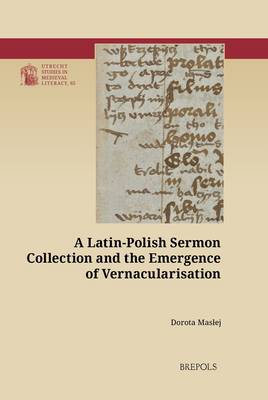
A Latin-Polish Sermon Collection and the Emergence of Vernacularisation
Dorota Maslej
€ 84,80
+ 169 punten
Omschrijving
This monograph offers an analysis of the so-called Kazania augustia?skie ('The Augustinian sermons'), a unique manuscript which represents a very early phase in the vernacularisation of medieval Polish textual culture, when vernacular or bilingual texts started to manifest their independent development. The relationships between Latin and the Polish vernacular in this text, surviving in a contemporary manuscript, sheds light on the ways in which Latin determined the development of written Polish in the textual genre of the sermon. The detailed and multifaceted analysis of the linguistic features of the Kazania augustia?skie contributes to the continuing discussion in medieval studies on the emergence of the earliest texts in the vernacular languages and on the preconditions and dynamics of vernacularisation. At a first glance this book may appear to be the tale of a single manuscript, told solely from the point of view of a historian of language. However, it also explores both the birth of a particular medieval text and, more generally, the growing ability to compose vernacular texts. This capacity, which developed over the medieval period, was based on Latin models; over the centuries it contributed to vernacular texts becoming a fundamental component of European culture.
Specificaties
Betrokkenen
- Auteur(s):
- Uitgeverij:
Inhoud
- Aantal bladzijden:
- 283
- Taal:
- Engels
- Reeks:
- Reeksnummer:
- nr. 65
Eigenschappen
- Productcode (EAN):
- 9782503619279
- Verschijningsdatum:
- 25/09/2025
- Uitvoering:
- Hardcover
- Formaat:
- Genaaid
- Gewicht:
- 303 g


Alleen bij Standaard Boekhandel
+ 169 punten op je klantenkaart van Standaard Boekhandel
Cadeau

AANGERADEN


Beoordelingen
We publiceren alleen reviews die voldoen aan de voorwaarden voor reviews. Bekijk onze voorwaarden voor reviews.