


- Afhalen na 1 uur in een winkel met voorraad
- Gratis thuislevering in België vanaf € 30
- Ruim aanbod met 7 miljoen producten
- Afhalen na 1 uur in een winkel met voorraad
- Gratis thuislevering in België vanaf € 30
- Ruim aanbod met 7 miljoen producten





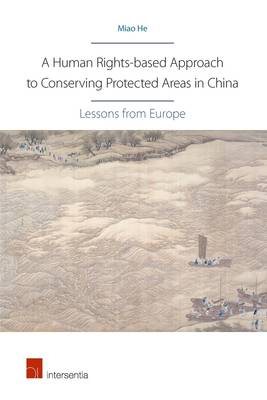
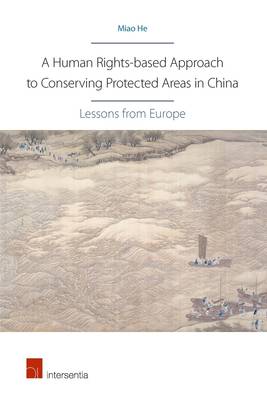
A Human Rights-Based Approach to Conserving Protected Areas in China
Lessons from Europe
Miao He
Paperback | Engels
€ 94,00
+ 188 punten
Omschrijving
As the world's population grows and the demands for natural resources increase, protected areas are becoming more important, but also more threatened. On the one hand, conservation of protected areas can contribute to the safeguarding of human rights; on the other hand, neglecting human rights can be a trigger for the mismanagement and destruction of protected areas. How can an objective and systematic approach be used to balance human rights protection and the conservation of protected areas? A well-balanced human rights-based approach seems to be the answer.This book draws lessons from Europe on how certain human rights can empower individuals, local communities and environmental NGOs in order to enhance their role in conserving protected areas in China. The author introduces the theory of a human rights-based approach to conservation and points out its advantages and challenges. Next, four main human rights, namely the right to property, the right to information, the right to participation and the right to access to justice, both in China and in Europe, are analysed in a theoretical and historical way. The key features of these four human rights are examined, as are the main reasons for their different approaches in China and in Europe. Thirdly, the book makes suggestions for how to implement a human rights-based approach to the conservation of protected areas in China, based on the experiences and lessons from the European legal system. In the last part, the author draws a general conclusion and suggests an outlook for the future.
Specificaties
Betrokkenen
- Auteur(s):
- Uitgeverij:
Inhoud
- Aantal bladzijden:
- 412
- Taal:
- Engels
Eigenschappen
- Productcode (EAN):
- 9781780683881
- Verschijningsdatum:
- 5/05/2016
- Uitvoering:
- Paperback
- Formaat:
- Trade paperback (VS)
- Afmetingen:
- 160 mm x 240 mm
- Gewicht:
- 712 g


Alleen bij Standaard Boekhandel
+ 188 punten op je klantenkaart van Standaard Boekhandel
Cadeau

AANGERADEN


Beoordelingen
We publiceren alleen reviews die voldoen aan de voorwaarden voor reviews. Bekijk onze voorwaarden voor reviews.