


- Afhalen na 1 uur in een winkel met voorraad
- Gratis thuislevering in België vanaf € 30
- Ruim aanbod met 7 miljoen producten
- Afhalen na 1 uur in een winkel met voorraad
- Gratis thuislevering in België vanaf € 30
- Ruim aanbod met 7 miljoen producten





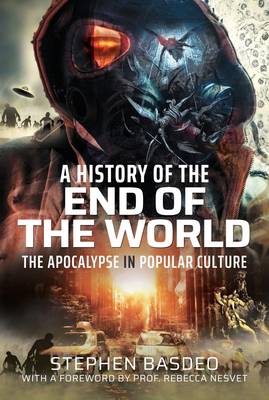
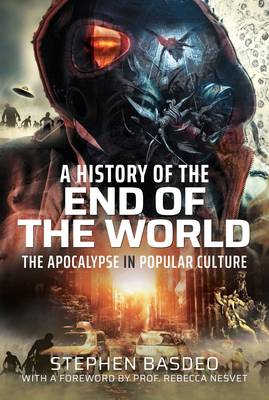
A History of the End of the World
The Apocalypse in Popular Culture
Stephen Basdeo
Hardcover | Engels
€ 30,95
+ 61 punten
Omschrijving
Traces how apocalyptic fears and visions have shaped popular culture from medieval times to today.
People have always imagined that human history has an end point. The way this has been imagined has varied according to time, place, and culture. In medieval England people lived in expectation of the Biblical Day of Judgment, when the world would end and people would be judged by God according to their sins. In art and literature from the early modern period onwards, the most frightening scenes from the Bible were depicted to warn people of the dangers of sin. As the power of the church waned and society became more secular, "new" threats emerged such as pandemics and otherworldly beings which threatened to destroy humanity, and whose tales were told time and again in popular culture. This book examines stories of the apocalypse in popular culture from the medieval period to the twenty-first century; it is a history of the end of the world.
People have always imagined that human history has an end point. The way this has been imagined has varied according to time, place, and culture. In medieval England people lived in expectation of the Biblical Day of Judgment, when the world would end and people would be judged by God according to their sins. In art and literature from the early modern period onwards, the most frightening scenes from the Bible were depicted to warn people of the dangers of sin. As the power of the church waned and society became more secular, "new" threats emerged such as pandemics and otherworldly beings which threatened to destroy humanity, and whose tales were told time and again in popular culture. This book examines stories of the apocalypse in popular culture from the medieval period to the twenty-first century; it is a history of the end of the world.
Specificaties
Betrokkenen
- Auteur(s):
- Uitgeverij:
Inhoud
- Aantal bladzijden:
- 224
- Taal:
- Engels
Eigenschappen
- Productcode (EAN):
- 9781399017381
- Verschijningsdatum:
- 30/03/2026
- Uitvoering:
- Hardcover
- Formaat:
- Genaaid
- Afmetingen:
- 159 mm x 235 mm
- Gewicht:
- 462 g


Alleen bij Standaard Boekhandel
+ 61 punten op je klantenkaart van Standaard Boekhandel

Beoordelingen
We publiceren alleen reviews die voldoen aan de voorwaarden voor reviews. Bekijk onze voorwaarden voor reviews.