


- Afhalen na 1 uur in een winkel met voorraad
- Gratis thuislevering in België vanaf € 30
- Ruim aanbod met 7 miljoen producten
- Afhalen na 1 uur in een winkel met voorraad
- Gratis thuislevering in België vanaf € 30
- Ruim aanbod met 7 miljoen producten





€ 36,45
+ 72 punten
Uitvoering
Omschrijving
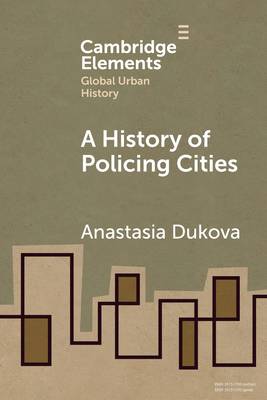
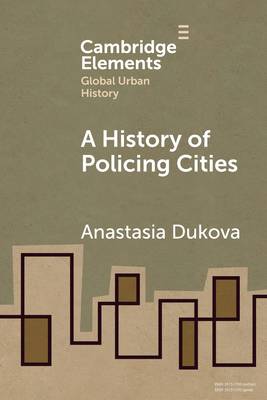
Current policing practices directly continue from historical methods. City policing in the Global North emerged as a response to unrest and subsistence crises during the late stage of the Little Ice Age, namely across two capital cities, Dublin and later London. From the mid-1700s, poor harvests and food rioting precipitated a series of policing reforms in the Irish Parliament. In the 1800s, further weather fluxes and unrest, combined with shifts in interpretation of social obligation - all linked to increasing urban population and its mobility - led to a series of new police reforms in Great Britain, soon reaching its former and current dominions. The expanding urban centres from Ireland to Australia, and England to North America, shared founding principles, structures, regulations and personnel. Despite modernisation and innovations in operational policing, law enforcement continues to face similar challenges in an increasingly globalising world, partly due to persistent adherence to historical antecedents.
Specificaties
Betrokkenen
- Auteur(s):
- Uitgeverij:
Inhoud
- Aantal bladzijden:
- 90
- Taal:
- Engels
- Reeks:
Eigenschappen
- Productcode (EAN):
- 9781009055079
- Verschijningsdatum:
- 14/05/2026
- Uitvoering:
- Paperback
- Formaat:
- Trade paperback (VS)
- Afmetingen:
- 152 mm x 229 mm
- Gewicht:
- 131 g


Alleen bij Standaard Boekhandel
+ 72 punten op je klantenkaart van Standaard Boekhandel
Cadeau

AANGERADEN


Beoordelingen
We publiceren alleen reviews die voldoen aan de voorwaarden voor reviews. Bekijk onze voorwaarden voor reviews.