


- Afhalen na 1 uur in een winkel met voorraad
- Gratis thuislevering in België vanaf € 30
- Ruim aanbod met 7 miljoen producten
- Afhalen na 1 uur in een winkel met voorraad
- Gratis thuislevering in België vanaf € 30
- Ruim aanbod met 7 miljoen producten





€ 20,95
+ 41 punten
Omschrijving
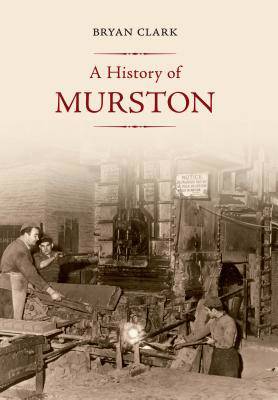
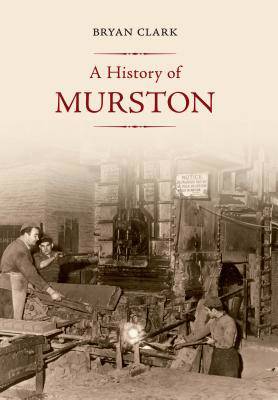
A History of Murston is a photographic guide through a century of change, revealing the true character of a community that has grown from a small agricultural parish into a burgeoning industrial area. Between 1845 and 1880, the industrial village of Lower Murston was built by entrepreneur George Smeed in a gradual conversion of ancient farmland into brickfields. By 1875, George Hambrook Dean, a farmer who married Smeed's eldest daughter, set up the Smeed Dean Company in partnership with his father-in-law, producing cement as well as bricks by 1900. But times changed and, in 1930, the parish of Murston, established in Saxon times, was disbanded and the community became a part of Sittingbourne. The village of Lower Murston was demolished in the 1960s and the inhabitants were re-housed in a new Murston estate leading off Tonge Road. Nowadays, houses are still being built and the town is expanding.
Specificaties
Betrokkenen
- Auteur(s):
- Uitgeverij:
Inhoud
- Aantal bladzijden:
- 160
- Taal:
- Engels
Eigenschappen
- Productcode (EAN):
- 9781848689985
- Verschijningsdatum:
- 15/01/2011
- Uitvoering:
- Paperback
- Formaat:
- Trade paperback (VS)
- Afmetingen:
- 165 mm x 234 mm
- Gewicht:
- 381 g


Alleen bij Standaard Boekhandel
+ 41 punten op je klantenkaart van Standaard Boekhandel
Cadeau

AANGERADEN


Beoordelingen
We publiceren alleen reviews die voldoen aan de voorwaarden voor reviews. Bekijk onze voorwaarden voor reviews.