


- Afhalen na 1 uur in een winkel met voorraad
- Gratis thuislevering in België vanaf € 30
- Ruim aanbod met 7 miljoen producten
- Afhalen na 1 uur in een winkel met voorraad
- Gratis thuislevering in België vanaf € 30
- Ruim aanbod met 7 miljoen producten





Omschrijving
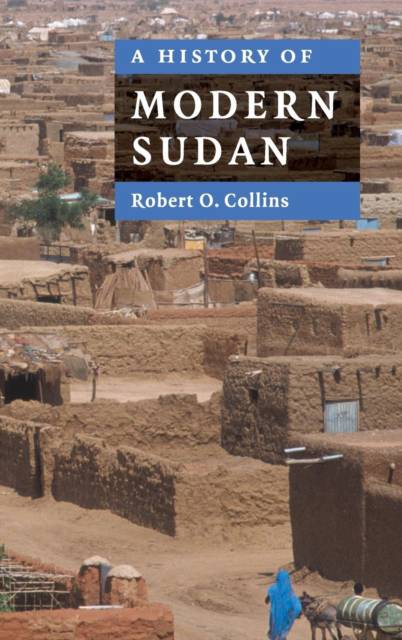
Sudan's modern history has been consumed by revolution and civil war. The country attracted international attention in the 1990s as a breeding ground of Islamist terrorism and recently tensions between the prosperous centre and the periphery, between north and south, have exploded in Darfur. In his latest book, Robert Collins, a frequent visitor and veteran scholar of the region, traces Sudan's history across two hundred years to show how many of the tragedies of today have been planted in its past. The story begins with the conquest of Muhammad 'Ali in 1821, and moves through the Anglo-Egyptian condominium to independence in 1956. It then focuses on Sudanese rule in the post-independence years when the fragile democracy established by the British collapsed under sectarian strife. It is these religious and ethnic divides, the author contends, in conjunction with failed leadership, which have prolonged and sustained the conflict in Sudan.
Specificaties
Betrokkenen
- Auteur(s):
- Uitgeverij:
Inhoud
- Aantal bladzijden:
- 360
- Taal:
- Engels
Eigenschappen
- Productcode (EAN):
- 9780521858205
- Verschijningsdatum:
- 29/05/2008
- Uitvoering:
- Hardcover
- Formaat:
- Ongenaaid / garenloos gebonden
- Afmetingen:
- 150 mm x 229 mm
- Gewicht:
- 680 g


Alleen bij Standaard Boekhandel
+ 354 punten op je klantenkaart van Standaard Boekhandel
Cadeau

AANGERADEN


Beoordelingen
We publiceren alleen reviews die voldoen aan de voorwaarden voor reviews. Bekijk onze voorwaarden voor reviews.