


- Afhalen na 1 uur in een winkel met voorraad
- Gratis thuislevering in België vanaf € 30
- Ruim aanbod met 7 miljoen producten
- Afhalen na 1 uur in een winkel met voorraad
- Gratis thuislevering in België vanaf € 30
- Ruim aanbod met 7 miljoen producten





Omschrijving
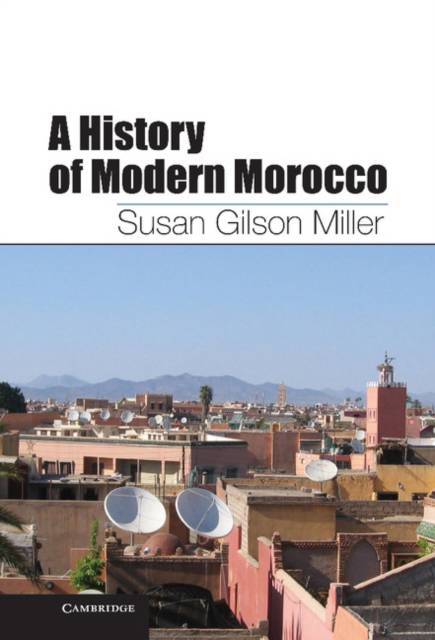
Morocco is notable for its stable and durable monarchy, its close ties with the West, its vibrant cultural life, and its centrality to regional politics. This book, by distinguished historian, Susan Gilson Miller, offers a richly documented survey of modern Moroccan history. The author's original and astute interpretations of the events, ideas, and personalities that inform contemporary political life are testimony to her scholarship and long association with the country. Arguing that pragmatism rather than ideology has shaped the monarchy's response to crisis, the book begins with the French invasion of Algeria in 1830 and Morocco's abortive efforts at reform, the duel with colonial powers and the loss of independence in 1912, the burdens and benefits of France's forty-four year dominion, and the stunning success of the nationalist movement leading to independence in 1956. In the post-independence era, the book traces the monarchy's gradual monopolization of power and the resulting political paralysis, ending with the last years of Hassan II's reign, when Moroccan society experienced a sudden and radical opening. A postscript brings events up to 2012, covering topics such as Morocco's "war on terror," the détente between the monarchy and the Islamists, and the impact of the Arab Spring. This concise, readable book will inform and enthrall students coming to the history of North Africa for the first time, and also those in other disciplines searching for the background to present-day events in the region.
Specificaties
Betrokkenen
- Auteur(s):
- Uitgeverij:
Inhoud
- Aantal bladzijden:
- 336
- Taal:
- Engels
Eigenschappen
- Productcode (EAN):
- 9780521810708
- Verschijningsdatum:
- 15/04/2013
- Uitvoering:
- Hardcover
- Formaat:
- Genaaid
- Afmetingen:
- 157 mm x 231 mm
- Gewicht:
- 589 g



Alleen bij Standaard Boekhandel
+ 308 punten op je klantenkaart van Standaard Boekhandel
CADEAU

AANGERADEN


Beoordelingen
We publiceren alleen reviews die voldoen aan de voorwaarden voor reviews. Bekijk onze voorwaarden voor reviews.