


- Afhalen na 1 uur in een winkel met voorraad
- Gratis thuislevering in België vanaf € 30
- Ruim aanbod met 7 miljoen producten
- Afhalen na 1 uur in een winkel met voorraad
- Gratis thuislevering in België vanaf € 30
- Ruim aanbod met 7 miljoen producten





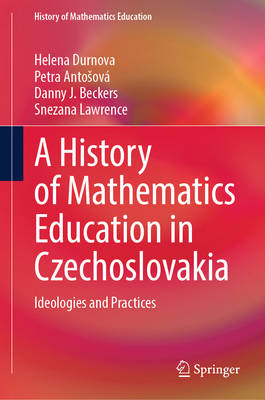
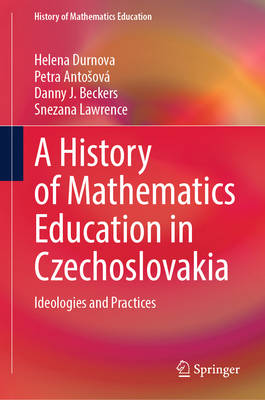
A History of Mathematics Education in Czechoslovakia
Ideologies and Practices
Helena Durnova, Petra Antosová, Danny J Beckers, Snezana Lawrence
€ 162,45
+ 324 punten
Omschrijving
The book traces developments in mathematics education for the entire duration of Czechoslovakia (1918-1993). It focuses on the attempts of Czechoslovak mathematicians to reform mathematics education in the country and their navigating between their own original ideas and the changes promoted by international organisations such as the ICMI and UNESCO and the congresses organised by them, known as modern mathematics, New Math, or in Czechoslovakia, the set-theoretical approach. Three distinct points were constitutive of the movement: mathematicians fascinated by modern maths; mathematicians and educators believing this was panacea for progress; and the recognition that this nevertheless does not work for everybody. This book describes the case of Czechoslovakia rooted in historical events, including the arrival of the automatic computer, research in mathematics was considered of utmost importance and accordingly, mathematics became the most important school subject.
Specificaties
Betrokkenen
- Auteur(s):
- Uitgeverij:
Inhoud
- Aantal bladzijden:
- 168
- Taal:
- Engels
- Reeks:
Eigenschappen
- Productcode (EAN):
- 9783032214454
- Verschijningsdatum:
- 16/07/2026
- Uitvoering:
- Hardcover
- Formaat:
- Genaaid
- Afmetingen:
- 155 mm x 235 mm


Alleen bij Standaard Boekhandel
+ 324 punten op je klantenkaart van Standaard Boekhandel
Cadeau

AANGERADEN


Beoordelingen
We publiceren alleen reviews die voldoen aan de voorwaarden voor reviews. Bekijk onze voorwaarden voor reviews.