


- Afhalen na 1 uur in een winkel met voorraad
- Gratis thuislevering in België vanaf € 30
- Ruim aanbod met 7 miljoen producten
- Afhalen na 1 uur in een winkel met voorraad
- Gratis thuislevering in België vanaf € 30
- Ruim aanbod met 7 miljoen producten





€ 19,99
+ 19 punten
Omschrijving
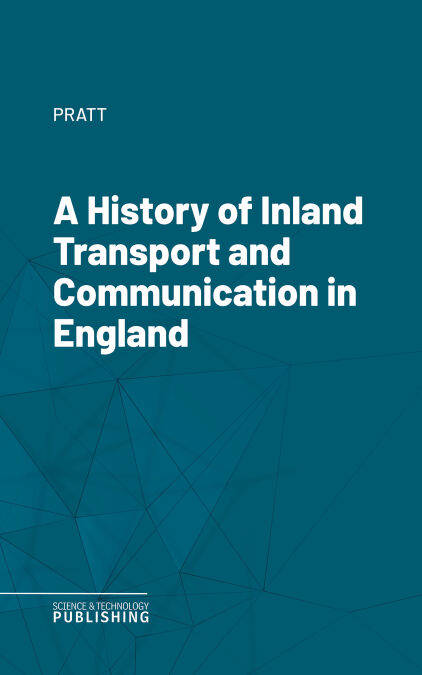
A History of Inland Transport and Communication in England, authored by Edwin A. Pratt, is a comprehensive exploration of the evolution of transportation and communication systems within England from ancient times through the early twentieth century. The book meticulously traces the development of roads, rivers, canals, and railways, examining how each mode of transport contributed to the economic, social, and industrial transformation of the nation. Pratt delves into the earliest methods of travel and goods movement, discussing the limitations and innovations of pre-Roman and Roman roads, the significance of packhorse routes, and the gradual improvement of highways through turnpike trusts. The narrative continues with an in-depth analysis of the rise and decline of inland waterways, highlighting the construction and impact of canals during the Industrial Revolution. The author provides detailed accounts of the engineering feats, financial undertakings, and legislative measures that shaped the canal era, as well as the eventual competition and interplay between canals and the burgeoning railway system. The book also covers the advent of railways, charting their rapid expansion, technological advancements, and profound influence on commerce, urbanization, and daily life in England. In addition to transport, Pratt addresses the parallel development of communication networks, including the postal system, telegraph, and telephone, illustrating how these innovations revolutionized the dissemination of information and connectivity across the country. Throughout, the author draws on a wealth of historical sources, official reports, and personal observations to present a vivid and authoritative account of England’s inland transport and communication history. Rich in detail and insight, A History of Inland Transport and Communication in England offers readers a thorough understanding of the forces that shaped modern England, making it an invaluable resource for historians, students, and anyone interested in the story of how people and ideas have moved across the English landscape.
Specificaties
Betrokkenen
- Auteur(s):
- Uitgeverij:
Inhoud
- Taal:
- Engels
Eigenschappen
- Productcode (EAN):
- 9782528112885
- Verschijningsdatum:
- 31/08/2025
- Uitvoering:
- E-book
- Formaat:
- ePub


Alleen bij Standaard Boekhandel
+ 19 punten op je klantenkaart van Standaard Boekhandel
AANGERADEN


Beoordelingen
We publiceren alleen reviews die voldoen aan de voorwaarden voor reviews. Bekijk onze voorwaarden voor reviews.