


- Afhalen na 1 uur in een winkel met voorraad
- Gratis thuislevering in België vanaf € 30
- Ruim aanbod met 7 miljoen producten
- Afhalen na 1 uur in een winkel met voorraad
- Gratis thuislevering in België vanaf € 30
- Ruim aanbod met 7 miljoen producten





€ 61,45
+ 122 punten
Omschrijving
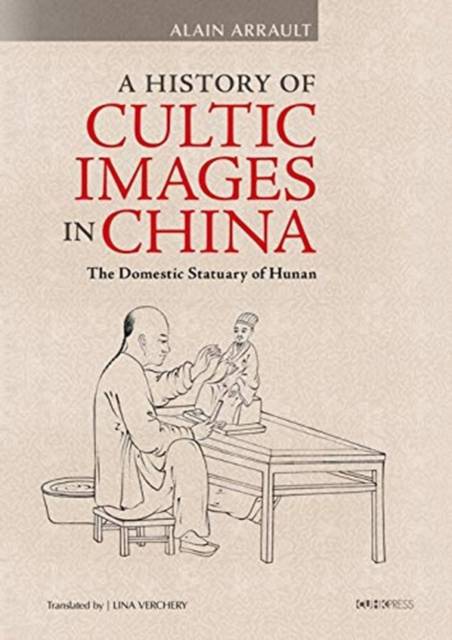
In the past twenty years, work on the local culture of central Hunan has been one of the most exciting sources for rethinking the nature and variety of Chinese local society. At the heart of this society is a kind of statuary found nowhere else in China--sculpted images of local people, primarily religious specialists of a wide range, but also parents and ancestors who, according to Confucian orthodoxy, should be represented by tablets, not statues. While the consecration ceremonies of these statues include rites that are common to all China, they are embedded in unique local ritual traditions. Based on two decades of international collaborative research, Alain Arrault focuses on some 4,000 of these statues and studies them on the basis of consecration certificates inserted in the statues, the earliest of which date to the sixteenth century.
Specificaties
Betrokkenen
- Auteur(s):
- Vertaler(s):
- Uitgeverij:
Inhoud
- Aantal bladzijden:
- 260
- Taal:
- Engels
Eigenschappen
- Productcode (EAN):
- 9789882371057
- Verschijningsdatum:
- 15/11/2020
- Uitvoering:
- Hardcover
- Formaat:
- Genaaid
- Afmetingen:
- 183 mm x 262 mm
- Gewicht:
- 816 g


Alleen bij Standaard Boekhandel
+ 122 punten op je klantenkaart van Standaard Boekhandel
Cadeau

AANGERADEN


Beoordelingen
We publiceren alleen reviews die voldoen aan de voorwaarden voor reviews. Bekijk onze voorwaarden voor reviews.