


- Afhalen na 1 uur in een winkel met voorraad
- Gratis thuislevering in België vanaf € 30
- Ruim aanbod met 7 miljoen producten
- Afhalen na 1 uur in een winkel met voorraad
- Gratis thuislevering in België vanaf € 30
- Ruim aanbod met 7 miljoen producten





Omschrijving
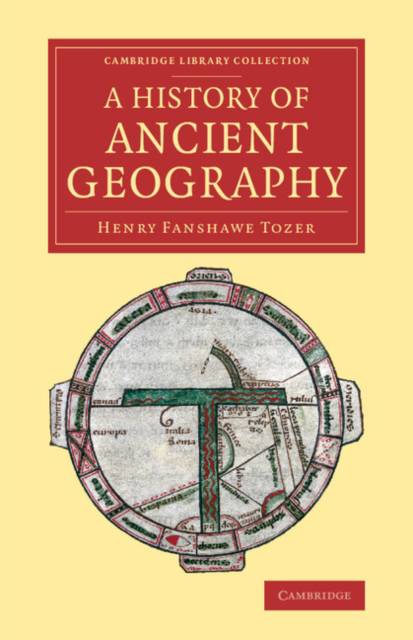
A pioneer in establishing the study of geography in British universities, Henry Fanshawe Tozer (1829-1916) sought to share his deep appreciation of the subject's ancient authorities, particularly Strabo. His keen understanding of historical geography rested on first-hand knowledge of physical landscapes, gained during travels through Italy, Greece and Turkey. While E. H. Bunbury had already produced an extensive work along similar lines, Tozer believed that classicists as well as other readers would welcome a more manageable, single-volume textbook. First published in 1897, it traces the progress of geographical writing in Greek and Latin from the Homeric age to the end of Rome's western empire. Due attention is given along the way to such writers as Hecataeus, Herodotus, Strabo and Ptolemy, with the inclusion of maps that show their respective conceptions of the world. The impact of conquest, notably by Alexander the Great and the Romans, is also highlighted.
Specificaties
Betrokkenen
- Auteur(s):
- Uitgeverij:
Inhoud
- Aantal bladzijden:
- 432
- Taal:
- Engels
- Reeks:
Eigenschappen
- Productcode (EAN):
- 9781108078757
- Verschijningsdatum:
- 30/10/2014
- Uitvoering:
- Paperback
- Formaat:
- Trade paperback (VS)
- Afmetingen:
- 140 mm x 216 mm
- Gewicht:
- 544 g



Alleen bij Standaard Boekhandel
+ 190 punten op je klantenkaart van Standaard Boekhandel
CADEAU


Beoordelingen
We publiceren alleen reviews die voldoen aan de voorwaarden voor reviews. Bekijk onze voorwaarden voor reviews.