


- Afhalen na 1 uur in een winkel met voorraad
- Gratis thuislevering in België vanaf € 30
- Ruim aanbod met 7 miljoen producten
- Afhalen na 1 uur in een winkel met voorraad
- Gratis thuislevering in België vanaf € 30
- Ruim aanbod met 7 miljoen producten




€ 152,95
+ 305 punten
Omschrijving
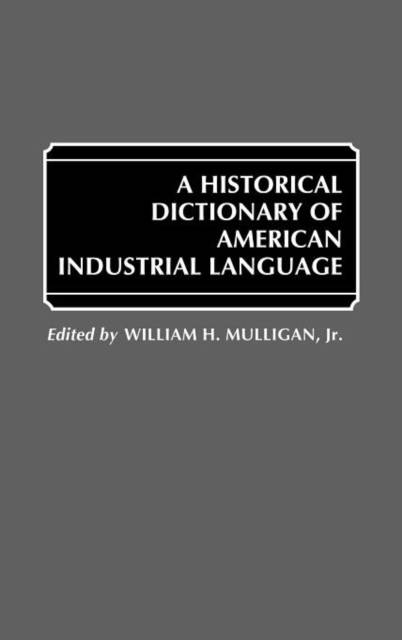
This dictionary is designed to make the industrial vocabulary of earlier eras understandable and accessible to contemporary investigation. It brings together in one place a great deal of information that has been widely scattered in obscure places. The specialized language of the shop, the mill, and other everyday settings, although initially familiar, becomes quite foreign in the context of general lanuage. Mulligan contends that, upon close examination of this specialized vocabulary, the lives and experiences of the early workers can be better understood, thus opening another avenue in the exploration of this country's industrial heritage. As a historical barometer reflecting the extent of change in an industry, the language of particular crafts and industries brings together the social and cultural background of the participants, and the dynamic of the activity or work.
Specificaties
Betrokkenen
- Auteur(s):
- Uitgeverij:
Inhoud
- Aantal bladzijden:
- 320
- Taal:
- Engels
Eigenschappen
- Productcode (EAN):
- 9780313241710
- Verschijningsdatum:
- 12/08/1988
- Uitvoering:
- Hardcover
- Formaat:
- Genaaid
- Afmetingen:
- 156 mm x 234 mm
- Gewicht:
- 662 g


Alleen bij Standaard Boekhandel
+ 305 punten op je klantenkaart van Standaard Boekhandel
Cadeau

AANGERADEN


Beoordelingen
We publiceren alleen reviews die voldoen aan de voorwaarden voor reviews. Bekijk onze voorwaarden voor reviews.