


- Afhalen na 1 uur in een winkel met voorraad
- Gratis thuislevering in België vanaf € 30
- Ruim aanbod met 7 miljoen producten
- Afhalen na 1 uur in een winkel met voorraad
- Gratis thuislevering in België vanaf € 30
- Ruim aanbod met 7 miljoen producten





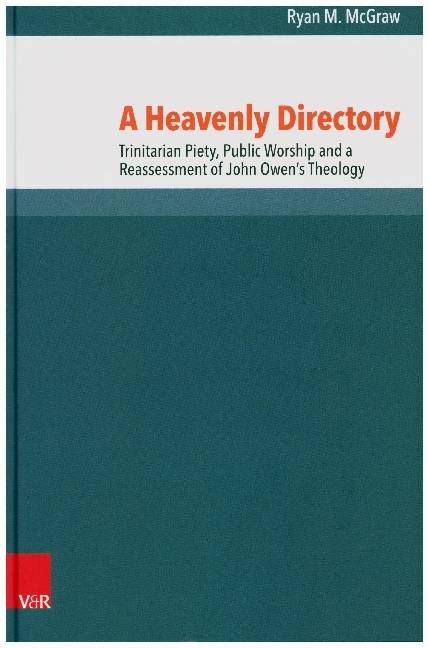
A Heavenly Directory
Trinitarian Piety, Public Worship and a Reassessment of John Owen's Theology
Ryan M McGraw
€ 155,45
+ 310 punten
Omschrijving
There is a growing body of historical literature on the importance of John Owen. Ryan M. McGraw seeks to reassess Owen's theology in light of the way in which he connected his trinitarian piety to his views of public worship. McGraw argues that Owen's teaching on communion with God as triune was the foundation of his views of public worship and that he regarded public worship as the highest expression of communion with the triune God. These themes not only highlight Owen's context as a Reformed orthodox theologian, but the distinctive influence of English Puritanism on his theological emphases. The connection between his practical trinitarianism and public worship runs through the course of his writings and every major area of his theology. These include the nature of theology, the knowledge of God, the doctrine of the Trinity, public worship, spiritual affections, apostasy, covenant theology, ecclesiology, and Christology. This work treats these themes in Owen's thought and shows how they intersect and are intertwined with the Trinity and public worship. In addition, this book provides a detailed exposition of the parts of Reformed worship. While other works have treated the centrality of his trinitarianism in his theology, few have acknowledged the importance of public worship in his thinking. This research concludes that communion with God in public worship was integral to Owen's practical trinitarian theology.
Specificaties
Betrokkenen
- Auteur(s):
- Uitgeverij:
Inhoud
- Aantal bladzijden:
- 270
- Taal:
- Engels
- Reeks:
- Reeksnummer:
- nr. 29
Eigenschappen
- Productcode (EAN):
- 9783525550755
- Verschijningsdatum:
- 30/06/2014
- Uitvoering:
- Hardcover
- Formaat:
- Genaaid
- Afmetingen:
- 160 mm x 237 mm
- Gewicht:
- 557 g


Alleen bij Standaard Boekhandel
+ 310 punten op je klantenkaart van Standaard Boekhandel

Beoordelingen
We publiceren alleen reviews die voldoen aan de voorwaarden voor reviews. Bekijk onze voorwaarden voor reviews.