


- Afhalen na 1 uur in een winkel met voorraad
- Gratis thuislevering in België vanaf € 30
- Ruim aanbod met 7 miljoen producten
- Afhalen na 1 uur in een winkel met voorraad
- Gratis thuislevering in België vanaf € 30
- Ruim aanbod met 7 miljoen producten





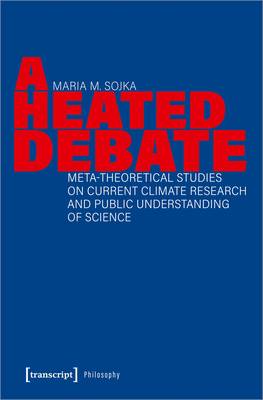
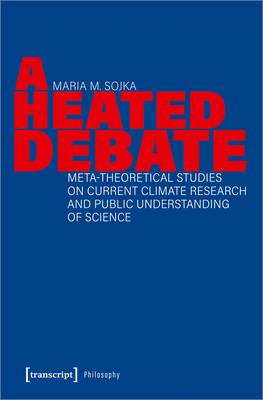
A Heated Debate
Meta-Theoretical Studies on Current Climate Research and Public Understanding of Science
Maria M Sojka
€ 93,45
+ 186 punten
Omschrijving
Ever since climate change has been identified as one of the most significant challenges of humanity, climate change deniers have repeatedly tried to discredit the work of scientists. To show how these processes work, Maria M. Sojka examines three ideals about how science should operate. These ideals concern the understanding of uncertainties, the relationship between models and data, and the role of values in science. Their widespread presence in the public understanding of science makes it easy for political and industrial stakeholders to undermine inconvenient research. To address this issue, Sojka analyses the importance of tacit knowledge in scientific practice and the question of what defines an expert.
Specificaties
Betrokkenen
- Auteur(s):
- Uitgeverij:
Inhoud
- Aantal bladzijden:
- 228
- Taal:
- Engels
- Reeks:
Eigenschappen
- Productcode (EAN):
- 9783837665802
- Verschijningsdatum:
- 12/12/2023
- Uitvoering:
- Paperback
- Formaat:
- Trade paperback (VS)
- Afmetingen:
- 152 mm x 229 mm
- Gewicht:
- 312 g


Alleen bij Standaard Boekhandel
+ 186 punten op je klantenkaart van Standaard Boekhandel
Wedstrijd


Beoordelingen
We publiceren alleen reviews die voldoen aan de voorwaarden voor reviews. Bekijk onze voorwaarden voor reviews.