


- Afhalen na 1 uur in een winkel met voorraad
- Gratis thuislevering in België vanaf € 30
- Ruim aanbod met 7 miljoen producten
- Afhalen na 1 uur in een winkel met voorraad
- Gratis thuislevering in België vanaf € 30
- Ruim aanbod met 7 miljoen producten





€ 61,95
+ 123 punten
Uitvoering
Omschrijving
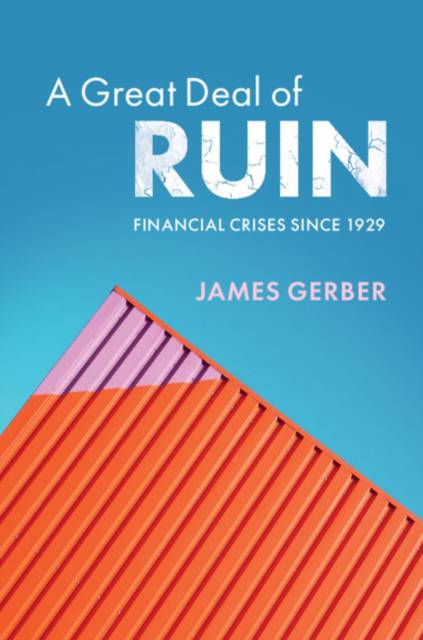
A Great Deal of Ruin provides an accessible introduction to the enduring problem of financial crises. Illustrated with historical analysis, case studies, and clear economic concepts, this book explains in three parts what financial crises are, how they are caused and what we can learn from them. It begins with a taxonomy of crises and a list of factors that increase the risk for countries experiencing a financial crisis. It then examines five of the most important crises in modern economic history, beginning with the Great Depression and ending with the subprime crisis in the United States and its evolution into a debt crisis in the Eurozone. The book concludes with a set of lessons that can be learnt from the crises of the past. It will appeal to university students as well as general readers who are curious to learn more about the recent subprime crisis and other financial crises.
Specificaties
Betrokkenen
- Auteur(s):
- Uitgeverij:
Inhoud
- Aantal bladzijden:
- 348
- Taal:
- Engels
Eigenschappen
- Productcode (EAN):
- 9781108739900
- Verschijningsdatum:
- 22/08/2019
- Uitvoering:
- Paperback
- Formaat:
- Trade paperback (VS)
- Afmetingen:
- 163 mm x 228 mm
- Gewicht:
- 453 g


Alleen bij Standaard Boekhandel
+ 123 punten op je klantenkaart van Standaard Boekhandel

Beoordelingen
We publiceren alleen reviews die voldoen aan de voorwaarden voor reviews. Bekijk onze voorwaarden voor reviews.