


- Afhalen na 1 uur in een winkel met voorraad
- Gratis thuislevering in België vanaf € 30
- Ruim aanbod met 7 miljoen producten
- Afhalen na 1 uur in een winkel met voorraad
- Gratis thuislevering in België vanaf € 30
- Ruim aanbod met 7 miljoen producten




€ 52,95
+ 105 punten
Omschrijving
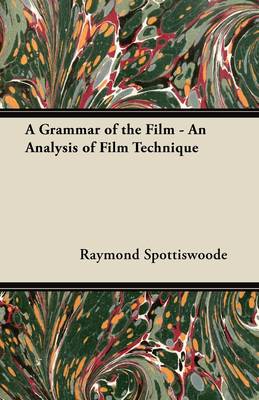
The reader will not need more than a glance at this book to discover that it arose out of the ashes of long-forgotten controversies, and was written at a tender age when the splitting of hairs seemed to its author more important than making new discoveries. We may imagine him, as he sat in his panelled Oxford study, the work for his degree pushed to one side, floor and table laden with early writings on the film-the work of such practical masters as Pudovkin, Eisenstein and Grierson, and the scourings of critics and others whose names have not survived the years. What had they to say, these early analysts? Had they established the theory of the film as a veritable art? Had they sufficiently distinguished it from the art forms out of which it grew? Above all, had they fully appreciated the grounds of this distinction? The young author did not think so. With all the heady enthusiasm of his twenty years, and unembarrassed by any actual contact with film, he felt that he had the answer.
Specificaties
Betrokkenen
- Auteur(s):
- Uitgeverij:
Inhoud
- Aantal bladzijden:
- 332
- Taal:
- Engels
Eigenschappen
- Productcode (EAN):
- 9781447443049
- Verschijningsdatum:
- 5/01/2012
- Uitvoering:
- Paperback
- Formaat:
- Trade paperback (VS)
- Afmetingen:
- 140 mm x 216 mm
- Gewicht:
- 421 g


Alleen bij Standaard Boekhandel
+ 105 punten op je klantenkaart van Standaard Boekhandel
CADEAU


Beoordelingen
We publiceren alleen reviews die voldoen aan de voorwaarden voor reviews. Bekijk onze voorwaarden voor reviews.