


- Afhalen na 1 uur in een winkel met voorraad
- Gratis thuislevering in België vanaf € 30
- Ruim aanbod met 7 miljoen producten
- Afhalen na 1 uur in een winkel met voorraad
- Gratis thuislevering in België vanaf € 30
- Ruim aanbod met 7 miljoen producten





€ 45,45
+ 90 punten
Omschrijving
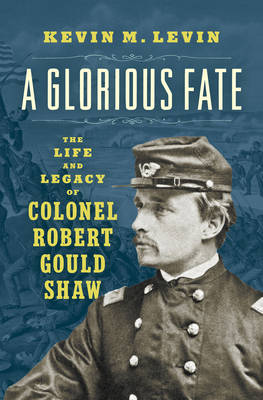
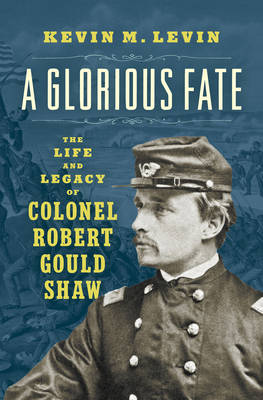
Robert Gould Shaw (1837-1863) is best known as the heroic colonel who led the 54th Massachusetts Infantry--one of the first regiments of Black soldiers in the Civil War--in its famous ill-fated charge against Confederate Fort Wagner on July 18, 1863. Shaw's sacrifice has been commemorated in monuments, books, and the award-winning film Glory. But before he became a martyr for the Union cause and emancipation, Shaw was a privileged young man who showed little interest in the reform movements that defined his parents' lives or in the moral crisis over slavery that was tearing the nation apart. Volunteering to serve as a duty, he awakened gradually and fitfully to the demands of conscience and command. Only in death was Shaw transformed into the champion for freedom his abolitionist parents hoped he would be.
The first biography of Shaw in a quarter century, A Glorious Fate traces his transformation from a rebellious son into one of the Civil War's most celebrated heroes. Acclaimed historian Kevin M. Levin also reveals the sacrifice and service of the African American men who fought and died for their freedom afresh through Shaw's eyes. Though Shaw never fully reconciled his own racial prejudices, Levin shows how the Civil War changed the young colonel as it did the nation.
The first biography of Shaw in a quarter century, A Glorious Fate traces his transformation from a rebellious son into one of the Civil War's most celebrated heroes. Acclaimed historian Kevin M. Levin also reveals the sacrifice and service of the African American men who fought and died for their freedom afresh through Shaw's eyes. Though Shaw never fully reconciled his own racial prejudices, Levin shows how the Civil War changed the young colonel as it did the nation.
Specificaties
Betrokkenen
- Auteur(s):
- Uitgeverij:
Inhoud
- Aantal bladzijden:
- 328
- Taal:
- Engels
- Reeks:
Eigenschappen
- Productcode (EAN):
- 9781469697178
- Verschijningsdatum:
- 29/09/2026
- Uitvoering:
- Hardcover
- Formaat:
- Genaaid
- Afmetingen:
- 155 mm x 235 mm


Alleen bij Standaard Boekhandel
+ 90 punten op je klantenkaart van Standaard Boekhandel
Cadeau

AANGERADEN


Beoordelingen
We publiceren alleen reviews die voldoen aan de voorwaarden voor reviews. Bekijk onze voorwaarden voor reviews.