


- Afhalen na 1 uur in een winkel met voorraad
- Gratis thuislevering in België vanaf € 30
- Ruim aanbod met 7 miljoen producten
- Afhalen na 1 uur in een winkel met voorraad
- Gratis thuislevering in België vanaf € 30
- Ruim aanbod met 7 miljoen producten





€ 30,95
+ 61 punten
Omschrijving
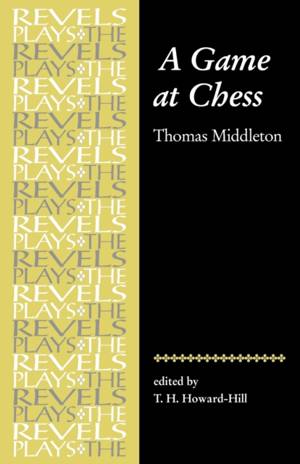
For many years Middleton's "A Game at Chess" was more notorious than read, considered rather a phenomenon of theatrical history than a pre-eminent piece of dramatic writing. "A Game at Chess" was a nine days' wonder, an exceptional play of King James' reign on account of its unprecedented representation of matters of state usually forbidden on the stage. The King's Men performed the play uninterruptedly between 5th and 14th August, 1624 at their Globe Theatre, attracting large audiences, before the Privy Council closed the theatre by the King's command. More recently, growing interest in the connections of economics and politics with authorship have promoted readings that locate the play so firmly within its historical context as propaganda that, again, its worthwhile literary and theatrical qualities are neglected. In writing "A Game at Chess", Middleton employed the devices of the neoclassical comedy of intrigue within the matrix of the traditional oral play. What might have seemed old-fashioned allegory was rejuvenated by his adoption of the fashionable game of chess as the fiction within which the play was set. The product of Middleton's experienced craftsmanship is at once deceptively simple and surprisingly complex.
Specificaties
Betrokkenen
- Auteur(s):
- Uitgeverij:
Inhoud
- Aantal bladzijden:
- 240
- Taal:
- Engels
- Reeks:
Eigenschappen
- Productcode (EAN):
- 9780719016349
- Verschijningsdatum:
- 13/02/1997
- Uitvoering:
- Paperback
- Formaat:
- Trade paperback (VS)
- Afmetingen:
- 135 mm x 213 mm
- Gewicht:
- 294 g


Alleen bij Standaard Boekhandel
+ 61 punten op je klantenkaart van Standaard Boekhandel
Cadeau

AANGERADEN


Beoordelingen
We publiceren alleen reviews die voldoen aan de voorwaarden voor reviews. Bekijk onze voorwaarden voor reviews.