


- Afhalen na 1 uur in een winkel met voorraad
- Gratis thuislevering in België vanaf € 30
- Ruim aanbod met 7 miljoen producten
- Afhalen na 1 uur in een winkel met voorraad
- Gratis thuislevering in België vanaf € 30
- Ruim aanbod met 7 miljoen producten





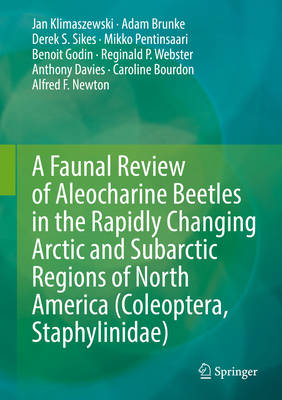
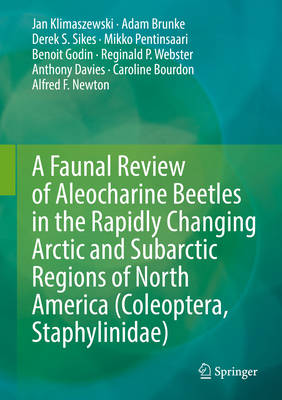
A Faunal Review of Aleocharine Beetles in the Rapidly Changing Arctic and Subarctic Regions of North America (Coleoptera, Staphylinidae)
Jan Klimaszewski, Adam Brunke, Derek S. Sikes, Mikko Pentinsaari, Benoit Godin, Reginald P. Webster, Anthony Davies, Caroline Bourdon, Alfred F. Newton
Hardcover | Engels
€ 189,95
+ 379 punten
Uitvoering
Omschrijving
Arctic and Subarctic North America is particularly affected by climate change, where average temperatures are rising three times faster than the global average.
Specificaties
Betrokkenen
- Auteur(s):
- Uitgeverij:
Inhoud
- Aantal bladzijden:
- 712
- Taal:
- Engels
Eigenschappen
- Productcode (EAN):
- 9783030681906
- Verschijningsdatum:
- 28/08/2021
- Uitvoering:
- Hardcover
- Afmetingen:
- 178 mm x 254 mm


Alleen bij Standaard Boekhandel
+ 379 punten op je klantenkaart van Standaard Boekhandel

Beoordelingen
We publiceren alleen reviews die voldoen aan de voorwaarden voor reviews. Bekijk onze voorwaarden voor reviews.