


- Afhalen na 1 uur in een winkel met voorraad
- Gratis thuislevering in België vanaf € 30
- Ruim aanbod met 7 miljoen producten
- Afhalen na 1 uur in een winkel met voorraad
- Gratis thuislevering in België vanaf € 30
- Ruim aanbod met 7 miljoen producten





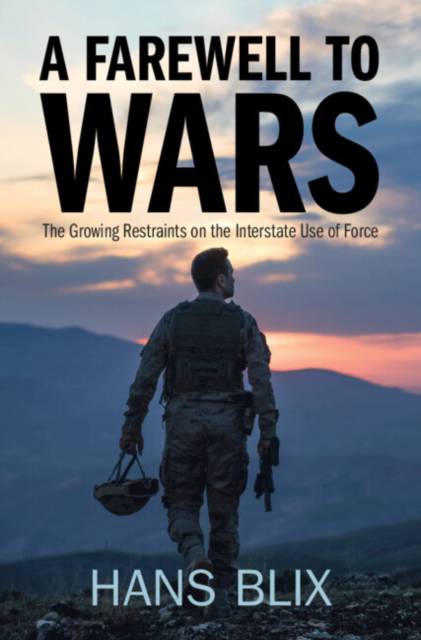
A Farewell to Wars
The Growing Restraints on the Interstate Use of Force
Hans Blix
Hardcover | Engels
€ 136,95
+ 273 punten
Uitvoering
Omschrijving
Since World War II, there has been a trend towards fewer wars, the Russian invasion of the Ukraine standing as a major 'aberration'. With decades of experience as an international lawyer, diplomat and head of UN Iraq inspections, Hans Blix examines conflicts and other developments after World War II. He finds that new restraints on uses of force have emerged from fears about nuclear war, economic interdependence and UN Charter rules. With less interest in the conquest of land, states increasingly use economic or cyber means to battle their adversaries. Such a turn is not free from perils but should perhaps be welcomed as an alternative to previous methods of war. By analysing these new restraints, Blix rejects the fatalistic assumption that there will always be war. He submits that today leading powers are saying farewell to previous patterns of war, instead choosing to continue their competition for power and influence on the battlefields of economy and information.
Specificaties
Betrokkenen
- Auteur(s):
- Uitgeverij:
Inhoud
- Aantal bladzijden:
- 328
- Taal:
- Engels
Eigenschappen
- Productcode (EAN):
- 9781009392556
- Verschijningsdatum:
- 23/11/2023
- Uitvoering:
- Hardcover
- Formaat:
- Genaaid
- Afmetingen:
- 152 mm x 229 mm
- Gewicht:
- 607 g



Alleen bij Standaard Boekhandel
+ 273 punten op je klantenkaart van Standaard Boekhandel
Cadeau

AANGERADEN


Beoordelingen
We publiceren alleen reviews die voldoen aan de voorwaarden voor reviews. Bekijk onze voorwaarden voor reviews.