


- Afhalen na 1 uur in een winkel met voorraad
- Gratis thuislevering in België vanaf € 30
- Ruim aanbod met 7 miljoen producten
- Afhalen na 1 uur in een winkel met voorraad
- Gratis thuislevering in België vanaf € 30
- Ruim aanbod met 7 miljoen producten





€ 53,45
+ 106 punten
Omschrijving
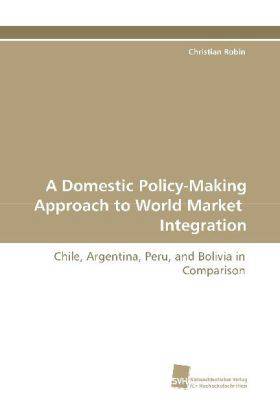
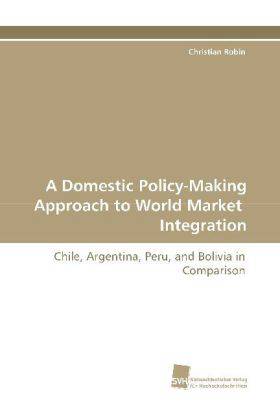
How, and to what extent, do successful world market
integration strategies in developing countries
depend on the institutional strength of state
bureaucracies and business associations? Guided by
this question, this study examines the systems of
interest intermediation in four South America
countries and responds herein to the increasingly
complex nature of trade policy. Since the creation
of the WTO and the emergence of a new bustling
Regionalism in the 1990s, trade policy no longer
refers primarily to the level of national tariffs,
but implies the close coordination among a broad set
of policy areas, covering both border and behind-the-
border measures, and parallel negotiations on
bilateral, regional and multilateral levels.
This study demonstrates, in the case of Chile, that
the successful world market integration of this
country was strongly influenced by the institutional
properties of the Foreign Affairs Ministry and the
export oriented business sector, while the
strategies followed by Argentina, Peru and Bolivia
were not as successful, mainly due the observed
institutional weakness of the state and business
sectors.
integration strategies in developing countries
depend on the institutional strength of state
bureaucracies and business associations? Guided by
this question, this study examines the systems of
interest intermediation in four South America
countries and responds herein to the increasingly
complex nature of trade policy. Since the creation
of the WTO and the emergence of a new bustling
Regionalism in the 1990s, trade policy no longer
refers primarily to the level of national tariffs,
but implies the close coordination among a broad set
of policy areas, covering both border and behind-the-
border measures, and parallel negotiations on
bilateral, regional and multilateral levels.
This study demonstrates, in the case of Chile, that
the successful world market integration of this
country was strongly influenced by the institutional
properties of the Foreign Affairs Ministry and the
export oriented business sector, while the
strategies followed by Argentina, Peru and Bolivia
were not as successful, mainly due the observed
institutional weakness of the state and business
sectors.
Specificaties
Betrokkenen
- Auteur(s):
- Uitgeverij:
Inhoud
- Aantal bladzijden:
- 380
- Taal:
- Duits
Eigenschappen
- Productcode (EAN):
- 9783838101019
- Verschijningsdatum:
- 23/12/2008
- Uitvoering:
- Paperback
- Afmetingen:
- 152 mm x 220 mm
- Gewicht:
- 508 g


Alleen bij Standaard Boekhandel
+ 106 punten op je klantenkaart van Standaard Boekhandel
Cadeau

AANGERADEN


Beoordelingen
We publiceren alleen reviews die voldoen aan de voorwaarden voor reviews. Bekijk onze voorwaarden voor reviews.