

- Afhalen na 1 uur in een winkel met voorraad
- Gratis thuislevering in België vanaf € 30
- Ruim aanbod met 7 miljoen producten
- Afhalen na 1 uur in een winkel met voorraad
- Gratis thuislevering in België vanaf € 30
- Ruim aanbod met 7 miljoen producten





Omschrijving
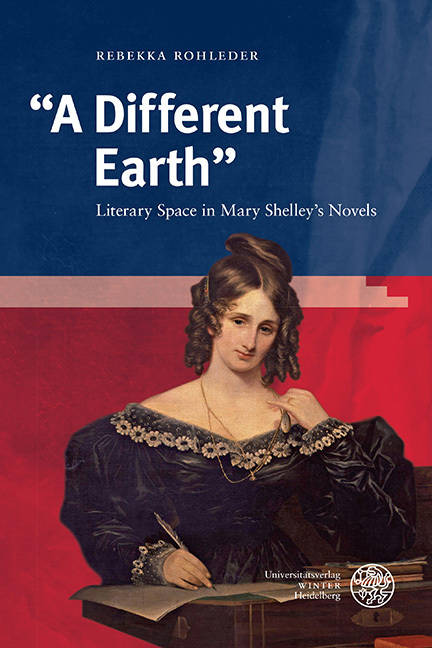
Inspired by the "spatial turn," this book takes a fresh look at three of Mary Shelley's novels: 'Frankenstein', 'The Last Man', and 'Lodore'. It examines the literary and social spaces constructed in these three novels. The novels complement each other in the way in which the interaction between text and space is played through in each of them. In all three, however, space emerges as a socially and politically powerful construct, and the literary text itself is seen to play an important role in its construction. The three novels also implicitly reflect on their own role in this process. In this way, Shelley makes the naturalising logic of the spatial imagination visible, and challenges this logic in the process. Thus, the focus on literary space opens up an interesting perspective from which Shelley's political and aesthetic concerns can be re-examined.
Specificaties
Betrokkenen
- Auteur(s):
- Uitgeverij:
Inhoud
- Aantal bladzijden:
- 284
- Taal:
- Engels
- Reeks:
- Reeksnummer:
- nr. 34
Eigenschappen
- Productcode (EAN):
- 9783825369835
- Verschijningsdatum:
- 16/08/2019
- Uitvoering:
- Hardcover
- Formaat:
- Genaaid
- Afmetingen:
- 160 mm x 239 mm
- Gewicht:
- 566 g


Alleen bij Standaard Boekhandel
+ 196 punten op je klantenkaart van Standaard Boekhandel
CADEAU


Beoordelingen
We publiceren alleen reviews die voldoen aan de voorwaarden voor reviews. Bekijk onze voorwaarden voor reviews.