


- Afhalen na 1 uur in een winkel met voorraad
- Gratis thuislevering in België vanaf € 30
- Ruim aanbod met 7 miljoen producten
- Afhalen na 1 uur in een winkel met voorraad
- Gratis thuislevering in België vanaf € 30
- Ruim aanbod met 7 miljoen producten





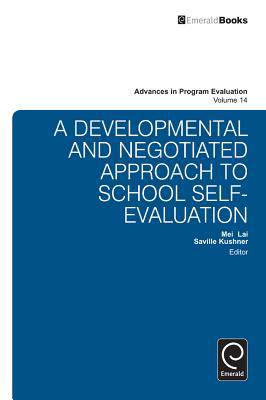
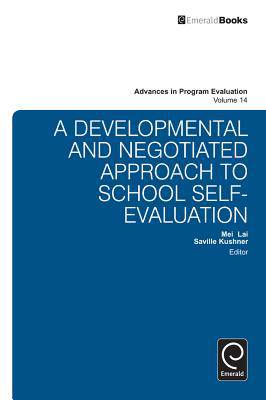
A Developmental and Negotiated Approach to School and Self-Evaluation
Mei Kuin Lai
€ 312,95
+ 625 punten
Omschrijving
Current conventions in school evaluation focus on accountability, control and compliance. New Zealand offers a distinctive, systemic alternative to school self-evaluation, with developmental and negotiated approaches ingrained throughout the education system, from school inspection to major government schooling improvement initiatives. In New Zealand there is no national testing, other than a Ministry-sponsored (voluntary) formative assessment system designed for school and teacher self-evaluation. This is a form of professional and program evaluation where there is shared power and responsibility between evaluators and those being evaluated. Through a detailed national case study of New Zealand, together with commentaries from international specialists, this volume examines the successes and challenges of this approach to programme evaluation and its generalizability to other educational and professional review settings, and show how education systems can recover a balance between an achievement agenda and a focus on educational quality.
Specificaties
Betrokkenen
- Auteur(s):
- Uitgeverij:
Inhoud
- Aantal bladzijden:
- 320
- Taal:
- Engels
- Reeks:
- Reeksnummer:
- nr. 14
Eigenschappen
- Productcode (EAN):
- 9781781907047
- Verschijningsdatum:
- 31/10/2013
- Uitvoering:
- Hardcover
- Formaat:
- Genaaid
- Afmetingen:
- 155 mm x 231 mm
- Gewicht:
- 589 g


Alleen bij Standaard Boekhandel
+ 625 punten op je klantenkaart van Standaard Boekhandel
AANGERADEN


Beoordelingen
We publiceren alleen reviews die voldoen aan de voorwaarden voor reviews. Bekijk onze voorwaarden voor reviews.