


- Afhalen na 1 uur in een winkel met voorraad
- Gratis thuislevering in België vanaf € 30
- Ruim aanbod met 7 miljoen producten
- Afhalen na 1 uur in een winkel met voorraad
- Gratis thuislevering in België vanaf € 30
- Ruim aanbod met 7 miljoen producten





€ 13,95
+ 27 punten
Eenvoudig bestellen
Veilig betalen


Gratis thuislevering vanaf € 30 (via bpost)
Gratis levering in je Standaard Boekhandel
Omschrijving
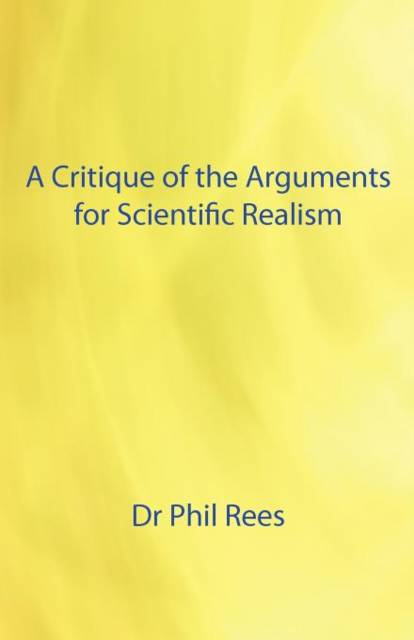
This book aims to show that the arguments offered in support of the most prevalent versions of scientific realism are unconvincing and offer no reason why an anti-realist position should not rationally be held. Several formulations of realism are examined and reduced to two. First, Convergent Ontological Scientific Realism (COSR) - the claim that most current successful theories are approximately true, and successive theories converge upon the truth. Second, Axiological Scientific Realism (ASR) - the claim that while many current theories may not even be approximately true, nevertheless, science aims for the truth. Axiological claims of all kinds are questioned and shown to be unhelpful. It is then argued that ASR theorists face difficulties, and need to also affirm COSR. Consequently, refuting COSR refutes ASR, and that is what the remainder of the book attempts to do. The concept of approximate truth is critiqued and shown to be incapable of doing the relatively precise job scientific realism requires of it. The Pessimistic Induction argument is presented in a revised form, and an extensive selection of realist criticisms are examined and rebutted. The claim against realism remains intact - that the historical record refutes its proposed link between empirical success and approximate truth. The classical Underdetermination argument against realism is criticised. However, the Unconceived Alternatives argument is shown to undermine scientific realism by an induction on the historical record. The No Miracles Argument for scientific realism is examined in detail and shown to be question-begging, and unconvincing on many other counts. A non-realist alternative explanation of the success of science is offered which explains more than the putative realist explanation would have done. The conclusion is that the case for scientific realism has not been made, leaving the way open for non-realist ways of understanding the activities of the sciences.
Specificaties
Betrokkenen
- Auteur(s):
- Uitgeverij:
Inhoud
- Aantal bladzijden:
- 364
- Taal:
- Engels
Eigenschappen
- Productcode (EAN):
- 9781907962516
- Verschijningsdatum:
- 14/03/2012
- Uitvoering:
- Paperback
- Formaat:
- Trade paperback (VS)
- Afmetingen:
- 140 mm x 216 mm
- Gewicht:
- 421 g


Alleen bij Standaard Boekhandel
+ 27 punten op je klantenkaart van Standaard Boekhandel
CADEAU

AANGERADEN


Beoordelingen
We publiceren alleen reviews die voldoen aan de voorwaarden voor reviews. Bekijk onze voorwaarden voor reviews.