


- Afhalen na 1 uur in een winkel met voorraad
- Gratis thuislevering in België vanaf € 30
- Ruim aanbod met 7 miljoen producten
- Afhalen na 1 uur in een winkel met voorraad
- Gratis thuislevering in België vanaf € 30
- Ruim aanbod met 7 miljoen producten





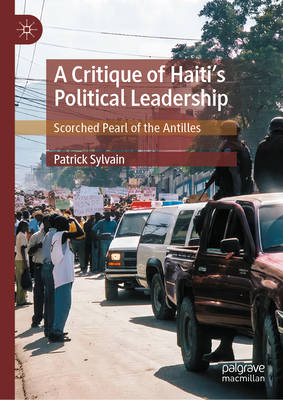
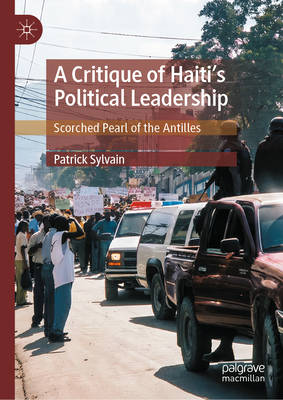
A Critique of Haiti's Political Leadership
Scorched Pearl of the Antilles
Patrick Sylvain
Hardcover | Engels
€ 119,45
+ 238 punten
Omschrijving
This book examines Haiti's turbulent political landscape by exploring the socio-political and cultural forces that have shaped the nation's trajectory. Using an interdisciplinary approach, it explores the underdevelopment of Haiti in three epochal frames; first, as a former colonial territory; second, as a singular independent nation amongst colonial territories; and third, as a nation in constant quagmire at the hands of foreign military interventions. The narrative reveals Haiti's enduring vulnerability, identifying both internal and external factors that illuminate the perceived failures of the Haitian political class.
The book further investigates institutional mechanisms that perpetuate political instability, demonstrating how weak leadership has relied on repression, corruption, and malversive practices to sustain power, thereby deepening Haiti's structural fragility. By deploying key concepts such as structural vulnerability, heterodoxicality, macoutization, demounization, and political barons, Sylvain foregrounds cultural dynamics and socio-political practices that have reinforced systemic dysfunction. Through a dialectical and critical analytical framework, the work accentuates the complexity of Haiti's long struggle for democracy and the persistent conflicts that undermine it. Drawing on a wide range of respected scholars, the book enriches contemporary debates on Haitian politics, moving beyond conventional Haitianist and Caribbeanist frameworks to offer a transformative understanding of Haiti's political condition.
Specificaties
Betrokkenen
- Auteur(s):
- Uitgeverij:
Inhoud
- Aantal bladzijden:
- 336
- Taal:
- Engels
Eigenschappen
- Productcode (EAN):
- 9783032171139
- Verschijningsdatum:
- 4/07/2026
- Uitvoering:
- Hardcover
- Formaat:
- Genaaid
- Afmetingen:
- 148 mm x 210 mm


Alleen bij Standaard Boekhandel
+ 238 punten op je klantenkaart van Standaard Boekhandel
Cadeau

AANGERADEN


Beoordelingen
We publiceren alleen reviews die voldoen aan de voorwaarden voor reviews. Bekijk onze voorwaarden voor reviews.