


- Afhalen na 1 uur in een winkel met voorraad
- Gratis thuislevering in België vanaf € 30
- Ruim aanbod met 7 miljoen producten
- Afhalen na 1 uur in een winkel met voorraad
- Gratis thuislevering in België vanaf € 30
- Ruim aanbod met 7 miljoen producten




Omschrijving
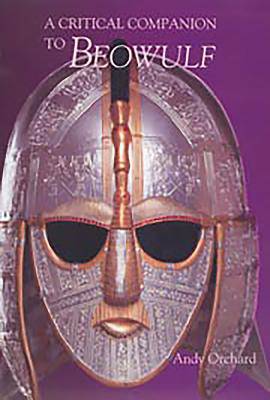
'Beowulf' is the best known and most closely studied literary work surviving from Anglo-Saxon England, and the modern reader is faced with a bewildering number and variety of interpretations about such basic matters as the date, provenance, and significance of the poem. 'A Critical Companion to Beowulf' addresses these and other issues, reviewing and synthesising previous scholarship, as well as offering fresh perspectives. After an initial introduction to the poem, attention is focused on such matters as the manuscript context and approaches to dating the poem, before a lengthy discussion of the particular style, diction, and structure of this most idiosyncratic of Old English texts. The background to the poem is considered not simply with respect to historical and legendary material, but also in the context of myth and fable. The specific roles of selected individual characters, both major and minor, are assessed, and in a chapter on the degree of piety and Latin-derived erudition implied by the text consideration is given to the original intended audience and perceived purpose of the poem. A final chapter describes the range of critical approaches which have been applied to the poem in the past, and points towards directions for future study. ANDY ORCHARD is Professor at the Centre for Medieval Studies, University of Toronto.
Specificaties
Betrokkenen
- Auteur(s):
- Uitgeverij:
Inhoud
- Aantal bladzijden:
- 416
- Taal:
- Engels
Eigenschappen
- Productcode (EAN):
- 9781843840299
- Verschijningsdatum:
- 1/02/2005
- Uitvoering:
- Paperback
- Formaat:
- Trade paperback (VS)
- Afmetingen:
- 158 mm x 228 mm
- Gewicht:
- 621 g


Alleen bij Standaard Boekhandel
+ 128 punten op je klantenkaart van Standaard Boekhandel
AANGERADEN


Beoordelingen
We publiceren alleen reviews die voldoen aan de voorwaarden voor reviews. Bekijk onze voorwaarden voor reviews.