


- Afhalen na 1 uur in een winkel met voorraad
- Gratis thuislevering in België vanaf € 30
- Ruim aanbod met 7 miljoen producten
- Afhalen na 1 uur in een winkel met voorraad
- Gratis thuislevering in België vanaf € 30
- Ruim aanbod met 7 miljoen producten





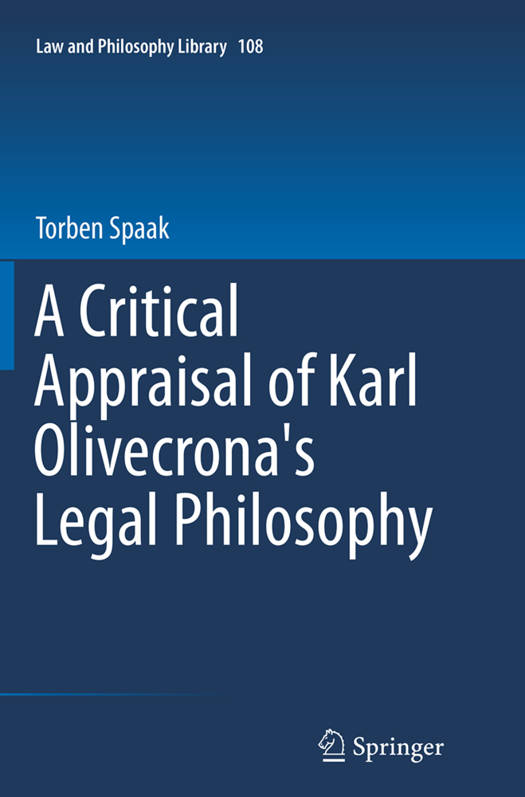
A Critical Appraisal of Karl Olivecrona's Legal Philosophy
Torben Spaak
€ 108,45
+ 216 punten
Uitvoering
Omschrijving
Based on Olivecrona's critique of the view that law has binding force, the analysis of the concept and function of a legal rule, and the idea that law is a matter of organized force, the book argues that Olivecrona's legal philosophy is a unique contribution to twentieth century legal philosophy.
Specificaties
Betrokkenen
- Auteur(s):
- Uitgeverij:
Inhoud
- Aantal bladzijden:
- 288
- Taal:
- Engels
- Reeks:
- Reeksnummer:
- nr. 108
Eigenschappen
- Productcode (EAN):
- 9783319380100
- Verschijningsdatum:
- 17/09/2016
- Uitvoering:
- Paperback
- Afmetingen:
- 155 mm x 16 mm
- Gewicht:
- 458 g


Alleen bij Standaard Boekhandel
+ 216 punten op je klantenkaart van Standaard Boekhandel
Cadeau

AANGERADEN


Beoordelingen
We publiceren alleen reviews die voldoen aan de voorwaarden voor reviews. Bekijk onze voorwaarden voor reviews.