


- Afhalen na 1 uur in een winkel met voorraad
- Gratis thuislevering in België vanaf € 30
- Ruim aanbod met 7 miljoen producten
- Afhalen na 1 uur in een winkel met voorraad
- Gratis thuislevering in België vanaf € 30
- Ruim aanbod met 7 miljoen producten





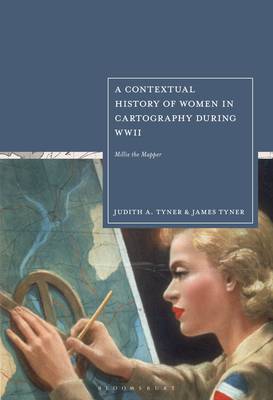
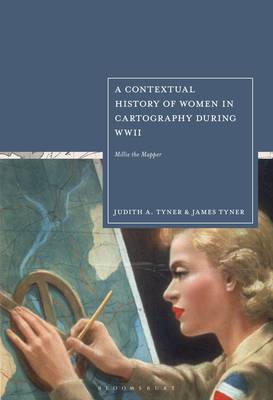
A Contextual History of Women in Cartography During WWII
Millie the Mapper
Judith A Tyner
Hardcover | Engels
€ 137,95
+ 275 punten
Omschrijving
Judith Tyner examines the essential role of women in cartography during WWII. She highlights the process of mapping during World War II, major employers of women cartographers, how the discipline of cartography emerged, and the women involved in this process. The book uncovers the impact of WWII on mapmaking. Before the war, cartography was seen as a tool rather than a discipline in its own right. Tyner traces how this change happened. New agencies such as the Army Map Service and the Office of Strategic Services, as well as established agencies such as the U.S. Coast and Geodetic Survey, the Tennessee Valley Authority, and the United States Geological Survey were commissioned to make maps for the war effort. Furthermore, the Army Map Service was the largest employer of women during the War. She also looks at the kinds of maps that women made and the attitudes towards women in cartography to tell the untold story of women cartographers.
Specificaties
Betrokkenen
- Auteur(s):
- Uitgeverij:
Inhoud
- Aantal bladzijden:
- 184
- Taal:
- Engels
Eigenschappen
- Productcode (EAN):
- 9781666919998
- Verschijningsdatum:
- 3/09/2026
- Uitvoering:
- Hardcover
- Formaat:
- Genaaid
- Afmetingen:
- 28 mm x 28 mm
- Gewicht:
- 503 g


Alleen bij Standaard Boekhandel
+ 275 punten op je klantenkaart van Standaard Boekhandel
Cadeau

AANGERADEN


Beoordelingen
We publiceren alleen reviews die voldoen aan de voorwaarden voor reviews. Bekijk onze voorwaarden voor reviews.