


- Afhalen na 1 uur in een winkel met voorraad
- Gratis thuislevering in België vanaf € 30
- Ruim aanbod met 7 miljoen producten
- Afhalen na 1 uur in een winkel met voorraad
- Gratis thuislevering in België vanaf € 30
- Ruim aanbod met 7 miljoen producten





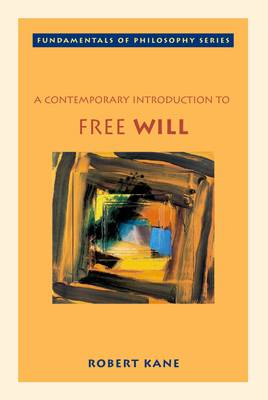
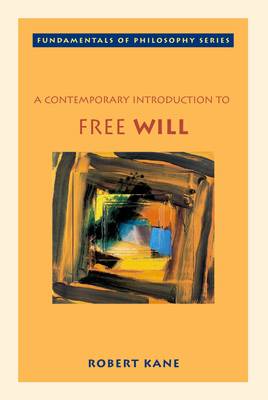
A Contemporary Introduction to Free Will
Robert Kane
€ 24,99
+ 49 punten
Omschrijving
Accessible to students with no background in the subject, A Contemporary Introduction to Free Will provides an extensive and up-to-date overview of all the latest views on this central problem of philosophy. Opening with a concise introduction to the history of the problem of free will--and its place in the history of philosophy--the book then turns to contemporary debates and theories about free will, determinism, and related subjects like moral responsibility, coercion, compulsion, autonomy, agency, rationality, freedom, and more. Classical compatibilist and new compatibilist theories of free will are considered along with the latest incompatibilist or libertarian theories and the most recent skeptical challenges to free will. Separate chapters are devoted to the relation of free will to moral responsibility and ethics; to modern science; and to religious questions about predestination, divine foreknowledge, and human freedom. Numerous down-to-earth examples and challenging thought experiments enliven the text. The book is an ideal addition to introduction to philosophy, metaphysics, and free will courses.
Specificaties
Betrokkenen
- Auteur(s):
- Uitgeverij:
Inhoud
- Aantal bladzijden:
- 208
- Taal:
- Engels
- Reeks:
Eigenschappen
- Productcode (EAN):
- 9780195149708
- Verschijningsdatum:
- 24/03/2005
- Uitvoering:
- Paperback
- Formaat:
- Trade paperback (VS)
- Afmetingen:
- 141 mm x 208 mm
- Gewicht:
- 240 g


Alleen bij Standaard Boekhandel
+ 49 punten op je klantenkaart van Standaard Boekhandel
Cadeau

AANGERADEN


Beoordelingen
We publiceren alleen reviews die voldoen aan de voorwaarden voor reviews. Bekijk onze voorwaarden voor reviews.