



- Afhalen na 1 uur in een winkel met voorraad
- In januari gratis thuislevering in België
- Ruim aanbod met 7 miljoen producten
- Afhalen na 1 uur in een winkel met voorraad
- In januari gratis thuislevering in België
- Ruim aanbod met 7 miljoen producten





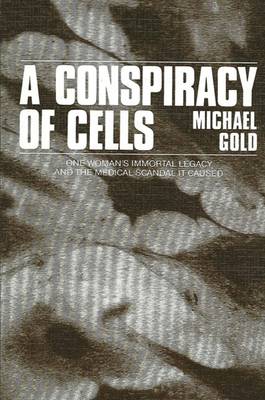
A Conspiracy of Cells
One Woman's Immortal Legacy-And the Medical Scandal It Caused
Michael Gold
Paperback | Engels
€ 51,45
+ 102 punten
Uitvoering
Omschrijving
A Conspiracy of Cells presents the first full account of one of medical science's more bizarre and costly mistakes. On October 4, 1951, a young black woman named Henrietta Lacks died of cervical cancer. That is, most of Henrietta Lacks died. In a laboratory dish at the Johns Hopkins Medical Center in Baltimore, a few cells taken from her fatal tumor continued to live--to thrive, in fact. For reasons unknown, her cells, code-named "HeLa," grew more vigorously than any other cells in culture at the time.
Long-time science reporter Michael Gold describes in graphic detail how the errant HeLa cells spread, contaminating and overwhelming other cell cultures, sabotaging research projects, and eluding detection until they had managed to infiltrate scientific laboratories worldwide. He tracks the efforts of geneticist Walter Nelson-Rees to alert a sceptical scientific community to the rampant HeLa contamination. And he reconstructs Nelson-Rees's crusade to expose the embarrassing mistakes and bogus conclusions of researchers who unknowingly abetted HeLa's spread.
Specificaties
Betrokkenen
- Auteur(s):
- Uitgeverij:
Inhoud
- Aantal bladzijden:
- 180
- Taal:
- Engels
Eigenschappen
- Productcode (EAN):
- 9780887060748
- Verschijningsdatum:
- 1/10/1985
- Uitvoering:
- Paperback
- Formaat:
- Trade paperback (VS)
- Afmetingen:
- 152 mm x 229 mm
- Gewicht:
- 249 g
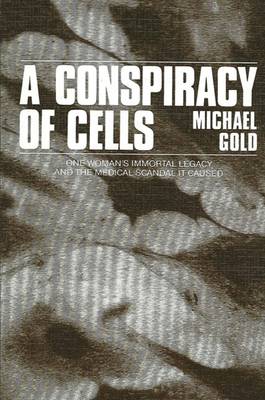


Alleen bij Standaard Boekhandel
+ 102 punten op je klantenkaart van Standaard Boekhandel
Cadeau

AANGERADEN


Beoordelingen
We publiceren alleen reviews die voldoen aan de voorwaarden voor reviews. Bekijk onze voorwaarden voor reviews.