


- Afhalen na 1 uur in een winkel met voorraad
- Gratis thuislevering in België vanaf € 30
- Ruim aanbod met 7 miljoen producten
- Afhalen na 1 uur in een winkel met voorraad
- Gratis thuislevering in België vanaf € 30
- Ruim aanbod met 7 miljoen producten





Omschrijving
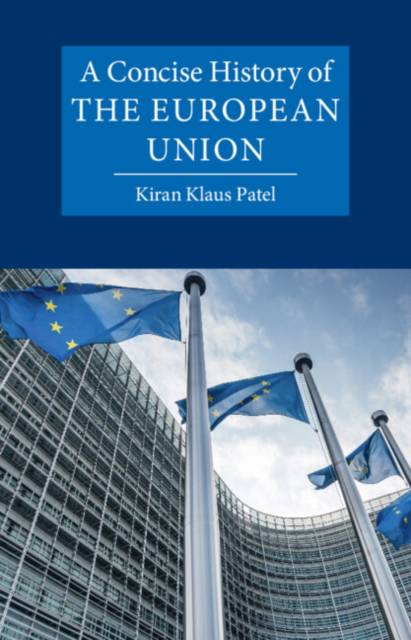
European integration has many origins, although its history goes back less far than is often assumed. This study offers an accessible and engaging overview of the past and present of today's European Union, from the postwar era to the present day. Beginning with the foundational treaties of the 1950s, the book examines how the EU became an increasingly global actor through the 1980s and 1990s. Focusing particularly on recent developments, Kiran Klaus Patel explores how the EU's current role was far from a given and remains fragile. Looking beyond public discourse fixated on crisis, Patel highlights the adaptability and resilience of the EU and how it has turned challenges into opportunities and expanded its own role in the process. This book sheds new light on the past in order to understand the present - and possible options for the future. In the process, it challenges conventional wisdoms of Europhiles and Eurosceptics alike.
Specificaties
Betrokkenen
- Auteur(s):
- Uitgeverij:
Inhoud
- Aantal bladzijden:
- 260
- Taal:
- Engels
- Reeks:
Eigenschappen
- Productcode (EAN):
- 9781009717151
- Verschijningsdatum:
- 14/05/2026
- Uitvoering:
- Paperback
- Formaat:
- Trade paperback (VS)
- Afmetingen:
- 140 mm x 216 mm
- Gewicht:
- 308 g


Alleen bij Standaard Boekhandel
+ 91 punten op je klantenkaart van Standaard Boekhandel
Cadeau

AANGERADEN


Beoordelingen
We publiceren alleen reviews die voldoen aan de voorwaarden voor reviews. Bekijk onze voorwaarden voor reviews.