


- Afhalen na 1 uur in een winkel met voorraad
- Gratis thuislevering in België vanaf € 30
- Ruim aanbod met 7 miljoen producten
- Afhalen na 1 uur in een winkel met voorraad
- Gratis thuislevering in België vanaf € 30
- Ruim aanbod met 7 miljoen producten





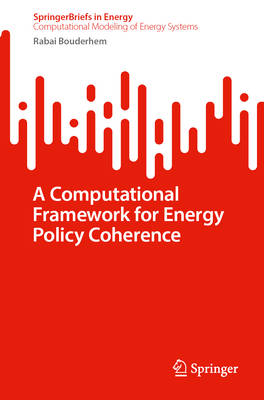
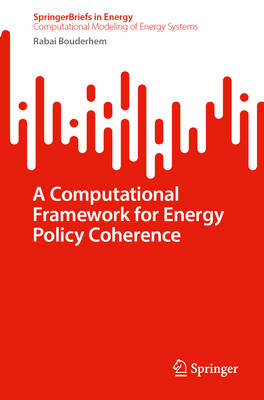
A Computational Framework for Energy Policy Coherence
Rabaï Bouderhem
€ 48,95
+ 97 punten
Omschrijving
Computational methods can achieve high accuracy, process large document collections, and generate actionable policy insights. Nevertheless, energy policy remains inconsistent, and institutional fragmentation persists, excluding marginalized populations from reshaping governance. This issue stems from conceptual failures rather than technical ones, as biased algorithms reinforce existing power structures. This book examines why these challenges arise. The governance-data-inequality nexus shows how institutional fragmentation creates biased data infrastructures that train algorithms, perpetuating fragmentation. By combining complexity science with ethical frameworks like energy justice, the analysis reveals why conventional computational approaches serve only as diagnostic tools rather than genuine governance solutions. The BRIDGE-E framework redefines computational governance. Equity is not merely an afterthought but a guiding principle for algorithmic systems. Epistemic inclusion shapes what counts as data, and energy justice determines policy pathways. Deliberation is central, promoting internal institutional capacity instead of reliance on external solutions. BRIDGE-E effectively addresses the challenges of institutional fragmentation, data scarcity, and contested values in governance.
A Computational Framework for Energy Policy Coherence serves policymakers, energy planners, AI researchers, and development practitioners by explaining how computational innovation can address governance fragmentation while ensuring equity.
Specificaties
Betrokkenen
- Auteur(s):
- Uitgeverij:
Inhoud
- Aantal bladzijden:
- 118
- Taal:
- Engels
- Reeks:
Eigenschappen
- Productcode (EAN):
- 9783032229779
- Verschijningsdatum:
- 22/06/2026
- Uitvoering:
- Paperback
- Formaat:
- Trade paperback (VS)
- Afmetingen:
- 155 mm x 235 mm


Alleen bij Standaard Boekhandel
+ 97 punten op je klantenkaart van Standaard Boekhandel
Cadeau

AANGERADEN


Beoordelingen
We publiceren alleen reviews die voldoen aan de voorwaarden voor reviews. Bekijk onze voorwaarden voor reviews.