


- Afhalen na 1 uur in een winkel met voorraad
- Gratis thuislevering in België vanaf € 30
- Ruim aanbod met 7 miljoen producten
- Afhalen na 1 uur in een winkel met voorraad
- Gratis thuislevering in België vanaf € 30
- Ruim aanbod met 7 miljoen producten





€ 59,95
+ 119 punten
Uitvoering
Omschrijving
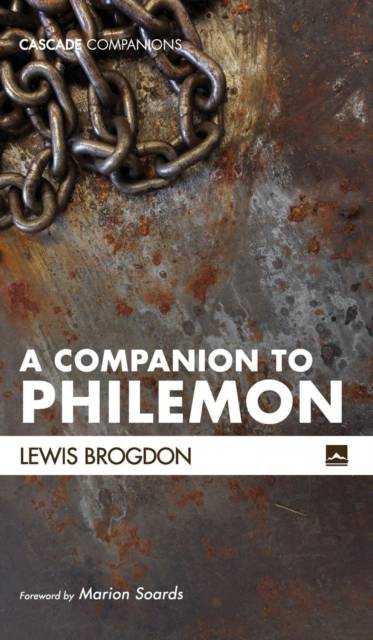
When is the last time you heard a sermon, Bible study, or even read the Letter to Philemon? For some the answer is "recently" but for too many the answer is "it has been a long time" or worse yet "never." Why is it that Philemon, though included in the Christian canon, is not read and studied as a text with theological depth that is helpful for serious study and preaching? In A Companion to Philemon, Lewis Brogdon insists that a part of the reason is the interpretation that Paul is sending a thieving runaway slave back to his good master. This interpretation is not only problematic, it is also theologically limiting and offers the church very little to reflect on as we face mammoth issues of inclusion and fellowship such as racism, sexism, and classism. A Companion to Philemon challenges the church to reimagine the interpretation of Philemon by focusing on the role exclusion had in the events that led to his departure from Philemon. Using the issue of exclusion, Brogdon takes the interpretation of Philemon in new directions that not only invite the church to read Philemon but also challenge us to examine both our understanding and practice of Christian fellowship today.
Specificaties
Betrokkenen
- Auteur(s):
- Uitgeverij:
Inhoud
- Aantal bladzijden:
- 154
- Taal:
- Engels
- Reeks:
Eigenschappen
- Productcode (EAN):
- 9781498291019
- Verschijningsdatum:
- 8/05/2018
- Uitvoering:
- Hardcover
- Formaat:
- Genaaid
- Afmetingen:
- 127 mm x 203 mm
- Gewicht:
- 281 g



Alleen bij Standaard Boekhandel
+ 119 punten op je klantenkaart van Standaard Boekhandel

Beoordelingen
We publiceren alleen reviews die voldoen aan de voorwaarden voor reviews. Bekijk onze voorwaarden voor reviews.