


- Afhalen na 1 uur in een winkel met voorraad
- Gratis thuislevering in België vanaf € 30
- Ruim aanbod met 7 miljoen producten
- Afhalen na 1 uur in een winkel met voorraad
- Gratis thuislevering in België vanaf € 30
- Ruim aanbod met 7 miljoen producten





€ 187,45
+ 374 punten
Uitvoering
Omschrijving
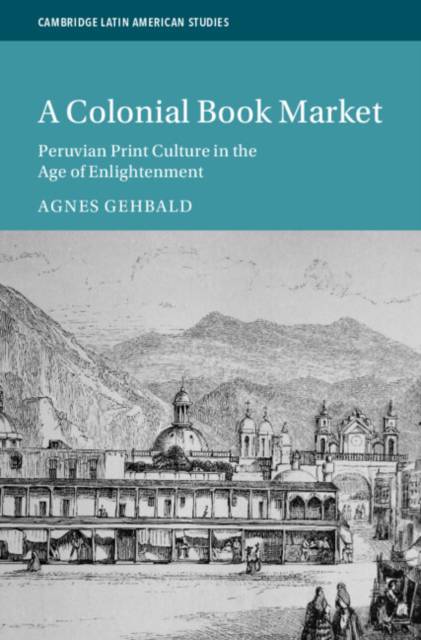
This volume provides a wholly original social history of books in late colonial Peru. From the second half of the eighteenth century onward, workshops in Lima and transoceanic imports supplied the market with unprecedented quantities of print publications. By tracing the variety of printed commodities that were circulating in the urban sphere, as well as analysing the spatiality of the trade and the materiality of the books themselves, Agnes Gehbald assesses the meaning of print culture in the everyday lives of the viceroyalty. She reveals how books permeated late colonial society on a broad scale and how they figured as objects in the inventories of diverse individuals, both women and men, who, in previous centuries, had been far less likely to possess them. Deeply researched and profound, A Colonial Book Market uncovers how people in Peruvian cities gained access to reading material and participated in the global Enlightenment project.
Specificaties
Betrokkenen
- Auteur(s):
- Uitgeverij:
Inhoud
- Aantal bladzijden:
- 402
- Taal:
- Engels
- Reeks:
- Reeksnummer:
- nr. 129
Eigenschappen
- Productcode (EAN):
- 9781009360852
- Verschijningsdatum:
- 30/11/2023
- Uitvoering:
- Hardcover
- Formaat:
- Genaaid
- Afmetingen:
- 152 mm x 229 mm
- Gewicht:
- 757 g



Alleen bij Standaard Boekhandel
+ 374 punten op je klantenkaart van Standaard Boekhandel
Wedstrijd


Beoordelingen
We publiceren alleen reviews die voldoen aan de voorwaarden voor reviews. Bekijk onze voorwaarden voor reviews.