



Bedankt voor het vertrouwen het afgelopen jaar! Om jou te bedanken bieden we GRATIS verzending (in België) aan op alles gedurende de hele maand januari.
- Afhalen na 1 uur in een winkel met voorraad
- In januari gratis thuislevering in België
- Ruim aanbod met 7 miljoen producten
Bedankt voor het vertrouwen het afgelopen jaar! Om jou te bedanken bieden we GRATIS verzending (in België) aan op alles gedurende de hele maand januari.
- Afhalen na 1 uur in een winkel met voorraad
- In januari gratis thuislevering in België
- Ruim aanbod met 7 miljoen producten





Omschrijving
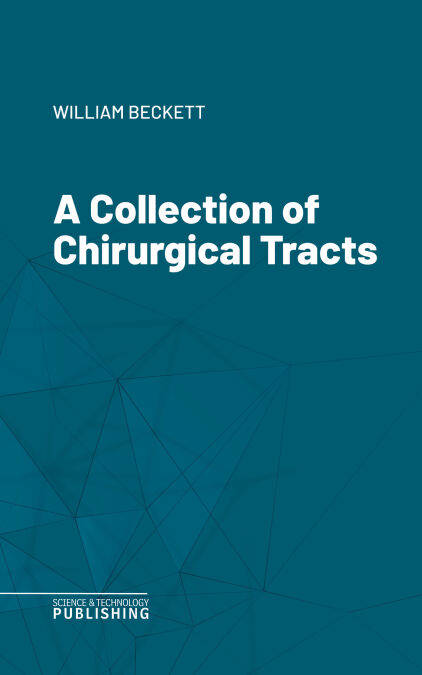
A Collection of Chirurgical Tracts is a comprehensive and influential work by William Beckett, first published in the early 18th century. This book gathers together a series of detailed essays and treatises on various topics within the field of surgery, reflecting the medical knowledge and practices of the time. Beckett, an accomplished English surgeon and Fellow of the Royal Society, addresses a wide range of subjects, including the treatment of wounds, ulcers, and tumors, as well as the management of fractures, dislocations, and other injuries. The tracts also delve into the history and evolution of surgical instruments and techniques, offering insights into both ancient and contemporary practices. Throughout the book, Beckett combines practical advice with scholarly research, drawing on classical sources, case studies, and his own extensive experience. He discusses the causes and symptoms of different ailments, the rationale behind various surgical interventions, and the outcomes of specific cases. The work is notable for its clear, methodical approach and its emphasis on observation and evidence-based practice, which were progressive for its time. A Collection of Chirurgical Tracts also explores controversial topics such as the use of caustics, the treatment of venereal diseases, and the debate over the best methods for amputation and wound care. Beckett’s writing is characterized by a critical and inquisitive spirit, as he frequently challenges prevailing medical opinions and encourages further investigation and improvement in surgical methods. Rich in historical context and medical detail, this book provides a fascinating window into the development of surgery during the Enlightenment. It remains a valuable resource for historians of medicine, practitioners interested in the roots of their profession, and anyone curious about the evolution of surgical science.
Specificaties
Betrokkenen
- Auteur(s):
- Uitgeverij:
Inhoud
- Taal:
- Engels
Eigenschappen
- Productcode (EAN):
- 9782528113400
- Verschijningsdatum:
- 31/08/2025
- Uitvoering:
- E-book
- Formaat:
- ePub


Alleen bij Standaard Boekhandel
+ 19 punten op je klantenkaart van Standaard Boekhandel
SOLDEN


Beoordelingen
We publiceren alleen reviews die voldoen aan de voorwaarden voor reviews. Bekijk onze voorwaarden voor reviews.