


- Afhalen na 1 uur in een winkel met voorraad
- Gratis thuislevering in België vanaf € 30
- Ruim aanbod met 7 miljoen producten
- Afhalen na 1 uur in een winkel met voorraad
- Gratis thuislevering in België vanaf € 30
- Ruim aanbod met 7 miljoen producten





€ 48,45
+ 96 punten
Omschrijving
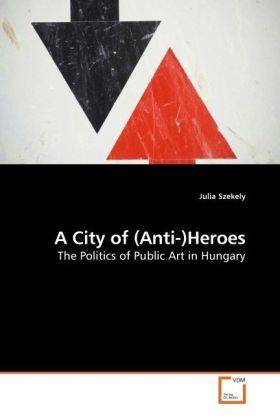
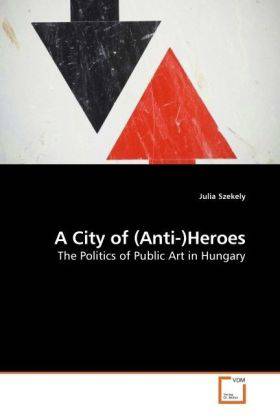
This book examines the diversity of political aspects of public art in Budapest, Hungary, and especially the different socio-spatial consequences implied by the various practices of erecting and placing (anti-)heroes within the city-text. Accordingly, Júlia Székely have devised a model where the categories of official , personal and commercial intend to reflect to a basic disparity between public and private (either in the sense of privacy or in its most important manifestation, that of the logic of market) perspectives, however these categories are intentionally built upon a curve suggesting a dual tendency: on the one hand, from national to global levels, and on the other hand, from politics to commerce. Moreover, during the analysis, this simple opposition between the public and private sectors becomes more tinged by applying theories regarding the interpretation of public space(s) and accessibility of art, which reveal and set up other, new (dis)connections as well.
Specificaties
Betrokkenen
- Auteur(s):
- Uitgeverij:
Inhoud
- Aantal bladzijden:
- 68
- Taal:
- Engels
Eigenschappen
- Productcode (EAN):
- 9783639177541
- Uitvoering:
- Paperback
- Afmetingen:
- 150 mm x 220 mm
- Gewicht:
- 120 g


Alleen bij Standaard Boekhandel
+ 96 punten op je klantenkaart van Standaard Boekhandel
AANGERADEN


Beoordelingen
We publiceren alleen reviews die voldoen aan de voorwaarden voor reviews. Bekijk onze voorwaarden voor reviews.