


- Afhalen na 1 uur in een winkel met voorraad
- Gratis thuislevering in België vanaf € 30
- Ruim aanbod met 7 miljoen producten
- Afhalen na 1 uur in een winkel met voorraad
- Gratis thuislevering in België vanaf € 30
- Ruim aanbod met 7 miljoen producten





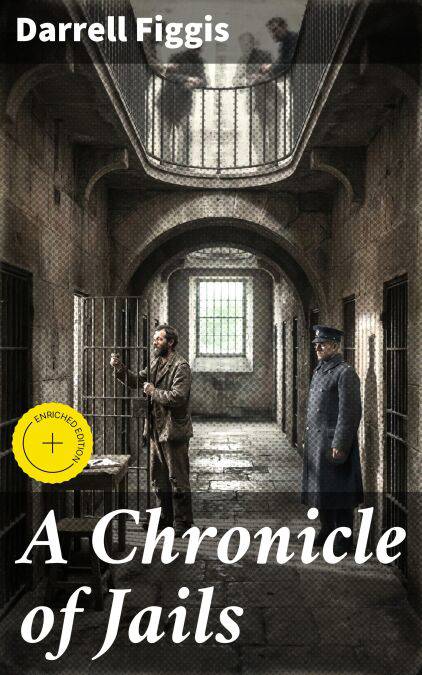
A Chronicle of Jails E-BOOK
Enriched edition. Exploring the Depths of the Penal System in Early 20th Century Ireland
Darrell Figgis
E-book | Engels
€ 0,49
€ 0,99
Uitvoering
Eenvoudig bestellen
Veilig betalen


Onmiddellijk geleverd via e-mail
Omschrijving
In "A Chronicle of Jails," Darrell Figgis delivers a poignant exploration of the penal system with a distinctive blend of lyrical prose and stark realism. The narrative deftly navigates the corridors of jails, illuminating the lives of both inmates and wardens while providing a critical lens on societal attitudes toward crime and punishment. Figgis employs a reflective and often impressionistic style, layering personal anecdotes with broader social commentary, creating a rich tableau that invites readers to consider the intricate relationship between justice and humanity. Set against the backdrop of early 20th-century Ireland, this work resonates with contemporary discussions about incarceration and reform. Darrell Figgis, an influential figure in Irish literature and a key proponent of modernist thought, was deeply affected by the social issues of his time, including those surrounding class and authority. His first-hand experiences in the realm of politics and activism, along with his keen observational skills honed as a writer and a social critic, inform his narrative. Through "A Chronicle of Jails," Figgis channels his discontent with institutional injustices, hoping to evoke empathy and reflection in his audience. Recommended for readers interested in sociology, criminal justice, and literary narratives that challenge prevailing norms, this book serves as both a historical document and a timeless exploration of the human condition. Figgis's work offers invaluable insights that remain relevant today, making it a must-read for anyone seeking to understand the complexities of incarceration and its implications on society.
In this enriched edition, we have carefully created added value for your reading experience:
- A succinct Introduction situates the work's timeless appeal and themes.
- The Synopsis outlines the central plot, highlighting key developments without spoiling critical twists.
- A detailed Historical Context immerses you in the era's events and influences that shaped the writing.
- A thorough Analysis dissects symbols, motifs, and character arcs to unearth underlying meanings.
- Reflection questions prompt you to engage personally with the work's messages, connecting them to modern life.
- Hand‐picked Memorable Quotes shine a spotlight on moments of literary brilliance.
- Interactive footnotes clarify unusual references, historical allusions, and archaic phrases for an effortless, more informed read.
In this enriched edition, we have carefully created added value for your reading experience:
- A succinct Introduction situates the work's timeless appeal and themes.
- The Synopsis outlines the central plot, highlighting key developments without spoiling critical twists.
- A detailed Historical Context immerses you in the era's events and influences that shaped the writing.
- A thorough Analysis dissects symbols, motifs, and character arcs to unearth underlying meanings.
- Reflection questions prompt you to engage personally with the work's messages, connecting them to modern life.
- Hand‐picked Memorable Quotes shine a spotlight on moments of literary brilliance.
- Interactive footnotes clarify unusual references, historical allusions, and archaic phrases for an effortless, more informed read.
Specificaties
Betrokkenen
- Auteur(s):
- Uitgeverij:
Inhoud
- Aantal bladzijden:
- 288
- Taal:
- Engels
Eigenschappen
- Productcode (EAN):
- 4064066150914
- Verschijningsdatum:
- 18/12/2019
- Uitvoering:
- E-book
- Beveiligd met:
- Digital watermarking
- Formaat:
- ePub



Alleen bij Standaard Boekhandel
CADEAU

AANGERADEN


Beoordelingen
We publiceren alleen reviews die voldoen aan de voorwaarden voor reviews. Bekijk onze voorwaarden voor reviews.